


The Asian Scientist 100
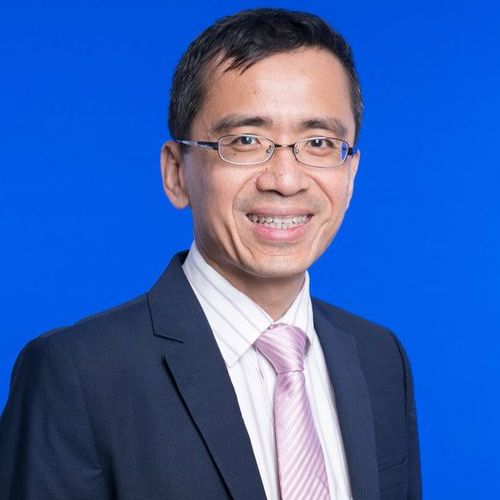
Tan Eng King
Institution
National Neuroscience Institute
Country
Singapore
Field
Life Sciences
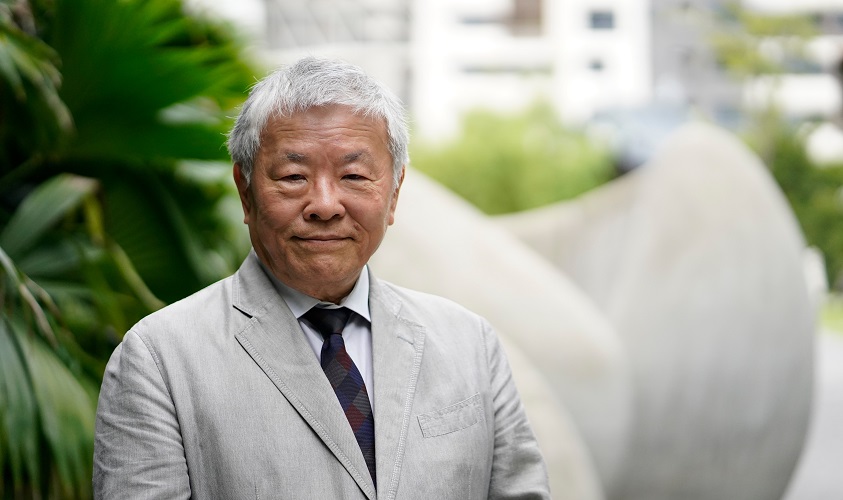
Tan Eng King received the 2018 President’s Science Award for identifying clinical biomarkers, developing novel models and transforming patient care in Parkinson’s Disease. (Photo: National Neuroscience Institute)
Related articles

A Slippery Solution To A Sticky Problem
By infusing porous surfaces with slippery liquids, researchers have developed a way to prevent mussel adhesion, a key contributor to marine biofouling of ship hulls.
Synthetic Mother-Of-Pearl, The Way Nature Intended
Researchers have created synthetic nacre, or mother-of-pearl, that forms in mere weeks instead of months or years.
Ten Materials Inspired By Mother Nature (VIDEO)
The natural world is filled with strange, fascinating structures that are stronger, more flexible and more resilient than anything humans can make.
What’s Different About Asia?
Upon learning firsthand that Asian and Caucasian patients responded differently to cancer drugs, John Wong founded the Cancer Therapeutics Research Group to study these differences.
Asia’s Scientific Trailblazers: Susumu Tonegawa
The sole winner of the 1987 Nobel Prize in Physiology or Medicine, Professor Susumu Tonegawa helped discover the genetic basis for antibody diversity. Today, he is spearheading research in neuroscience, seeking the biological mechanisms of memory.

Vaccinating Dogs Could Prevent The Spread Of Rabies In China
Understanding how the rabies virus spreads in the rural areas of China will inform prevention and control strategies, researchers say.

Making Vaccines About Science, Not Politics
In the wake of political turmoil and widespread misinformation around Dengvaxia in the Philippines, public confidence in vaccines has plummeted sharply, says a new study. What can be done to hold back the slide?

AI Automatically Sorts Cancer Cells
Researchers have developed an artificial intelligence system that can automatically differentiate between different types of cancer cells and their sensitivity to radiotherapy.

Asia’s Rising Scientists: Nguyen Thi Hiep
Dr. Nguyen Thị Hiep is on a mission to promote tissue engineering and regenerative medicine in her home country of Vietnam.