


The Asian Scientist 100
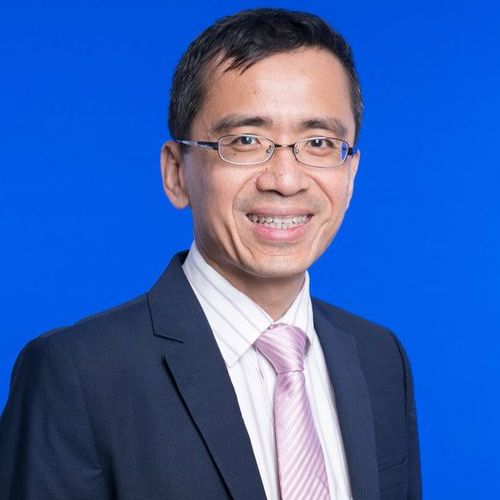
Tan Eng King
Institution
National Neuroscience Institute
Country
Singapore
Field
Life Sciences
Tan Eng King received the 2018 President’s Science Award for identifying clinical biomarkers, developing novel models and transforming patient care in Parkinson’s Disease. (Photo: National Neuroscience Institute)
Related articles

How Dams Damned Thailand’s Birds
The Chiew Larn Dam Reservoir, constructed three decades ago, has had a negative impact on bird diversity, according to researchers in Thailand.
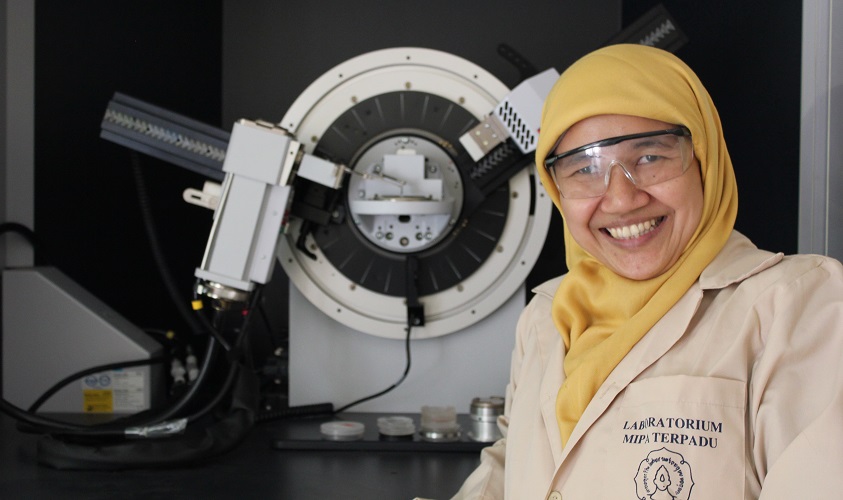
Asia’s Rising Scientists: Witri Wahyu Lestari
Dr. Witri Wahyu Lestari is helping to develop the catalysts necessary for obtaining more ecologically-friendly fuels.

Scanning Zebrafish Brains In Search Of New Drugs
Researchers have developed a high-throughput method of identifying drug candidates for the treatment of neurological disorders.

A Kill Switch For Genetically Modified Algae
By preventing bioengineered microalgae from growing outside the lab, researchers have reduced the risk of the genetically modified organisms escaping into the wild.

Making Way For Muography
Scientists in Japan and Hungary have announced the opening of the NEWCUT laboratory, the world’s first facility dedicated to the study of muography.

Got Milk? These Spiders Do
Scientists have discovered a species of jumping spider that is capable of producing milk for its offspring, a trait previously thought to be unique to mammals.

Metalenses Made Thinner Than Ever
Using 2D materials, researchers have overcome the theoretical limit imposed by the wavelength of light to develop metalenses as thin as 190 nanometers.

Optimistic Realism About The Future Of Evolution
The challenges facing humanity are immense, but we have the ability to shape our own future, said distinguished speakers at the launch of Sydney Brenner’s 10-on-10: The Chronicles of Evolution.

Asia’s Scientific Trailblazers: Urbasi Sinha
The counter-intuitive nature of quantum physics was what drew Associate Professor Urbasi Sinha to a career in science. Now, her research is paving the way for computers many times more powerful than the ones we have today.