


The Asian Scientist 100
Tan Eng King
Institution
National Neuroscience Institute
Country
Singapore
Field
Life Sciences
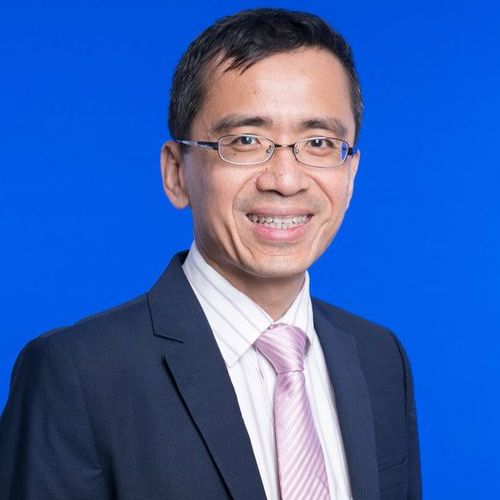
Tan Eng King received the 2018 President’s Science Award for identifying clinical biomarkers, developing novel models and transforming patient care in Parkinson’s Disease. (Photo: National Neuroscience Institute)
Related articles

Detecting Heart Failure At Home
Researchers have invented a handheld device that can detect symptoms of congestive heart failure in ten seconds.

Helping AI Embrace Empathy
Artificial intelligence is already a part of our everyday lives, but for it to truly make a difference it needs to understand human emotions, says Live with AI founder Pierre Robinet.

Blockchain’s Big Innovation: Trust
Blockchain boils down to establishing trust among disparate parties, our blockchain newbie learned at SGInnovate’s Blockchain Research and Industry Introduction Workshop.

Biodegradable Microneedles Painlessly Deliver Drugs To The Eye
Scientists in Singapore have developed a microneedle patch that could be used to treat eye diseases such as glaucoma and macular degeneration.
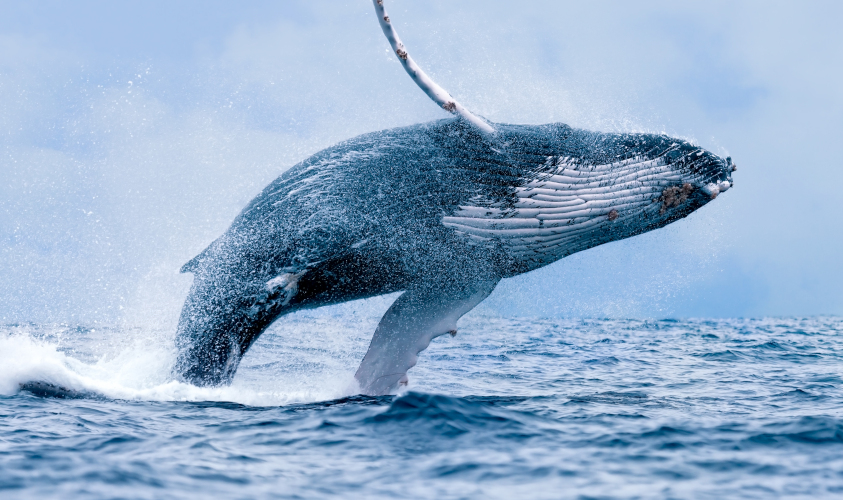
What Makes Whale Baleen So Tough?
By studying the structure of the filter-feeding apparatus of whales, researchers hope to design better materials for the maritime industry.

Scientists Find Regulatory T-Cell Master Switch
Researchers in South Korea have identified Foxp1 as a key molecule required for the formation of regulatory T-cells.

Raspberry-Shaped Particles Detoxify Carbon Monoxide
Japanese researchers have created a ‘nano-raspberry’ to neutralize poisonous carbon monoxide.

Levelling Up In The Real-Life Game Of Cybersecurity
Secure systems that combine hardware and software tools are necessary to protect mobile devices and autonomous systems against increasingly sophisticated cyberattacks, says SMU Associate Professor Ding XuHua.

Probiotic Bacteria Keep Staphylococcus At Bay
Bacillus, a type of bacteria commonly found in probiotics, prevents Staphylococcus aureus colonization of the gut and nose, according to scientists in Thailand and the US.