


The Asian Scientist 100
Tan Eng King
Institution
National Neuroscience Institute
Country
Singapore
Field
Life Sciences
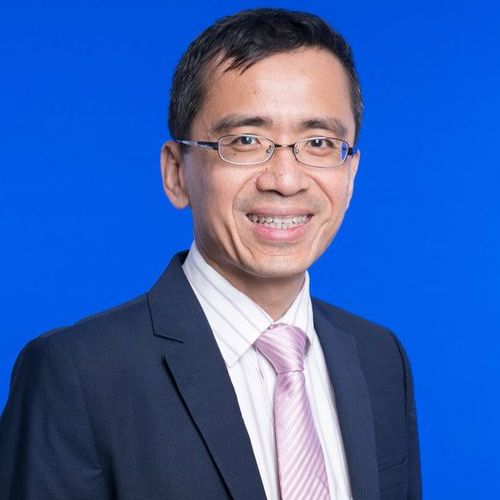
Tan Eng King received the 2018 President’s Science Award for identifying clinical biomarkers, developing novel models and transforming patient care in Parkinson’s Disease. (Photo: National Neuroscience Institute)
Related articles

Bringing Lifesaving Research From The Bench to Bedside
To overcome translational challenges, Vietnam’s international healthcare system, Vinmec, combines research and clinical expertise under the same roof for quicker and more effective outcomes.

City Life Forces Two Rival Hornets To Coexist By Changing What They Eat
In non-urban areas, the two species consumed similar prey, reflecting their natural competitive relationship.
This Ancient Spice May Hold The Key to Tomorrow’s Antivirals
The study found that extracts from cardamom seeds can trigger the body’s antiviral defenses at a cellular level
Scientists Redirect Body’s Cleanup Crew To Fight Disease
Crunch, a synthetic protein, turns phagocytes that typically digest dying cells to target harmful ones in cancer and autoimmune disorders.

Salt-Tolerant Bacteria Could Help Sundarbans’ Farmers Fight Rising Salinity
A new study is a key step toward implementing native bacteria as biological fertilizers to counter the region’s high soil salinity.

This RNA Protein May Help Slow Down Ageing
The study reveals that PELOTA-mediated RNA surveillance links ribosome quality control to longevity through autophagy regulation.

Declining Japanese Encephalitis Immunity Tied to Intensified Dengue
A study in Nepal found that maintaining strong immunity against the Japanese encephalitis virus through vaccines could also lower the risk of severe dengue symptoms.
How Lung and Breast Cells Fight Cancer Differently
The study findings can help develop early-stage cancer prevention strategies.

How Dengue Reprograms The Immune System
Dengue infection rewires the immune system’s baseline, boosting vaccine response but potentially increasing risk.