


The Asian Scientist 100
Tan Eng King

Institution
National Neuroscience Institute
Country
Singapore
Field
Life Sciences
Tan Eng King received the 2018 President’s Science Award for identifying clinical biomarkers, developing novel models and transforming patient care in Parkinson’s Disease. (Photo: National Neuroscience Institute)
Related articles

Zika, The Suddenly Famous Disease
When epidemics spread, so will misinformation. How do you cut through all of the noise? One way is to be more critical of what you read online.

Brain Machine Interfaces Go Wireless
By eliminating the need for wires going through the brain, wireless brain machine interfaces reduce the risk of infections.

Chip Enables Brain Implants Without The Wires
A smart chip that reduces data usage over a thousand-fold could make wireless brain implants a reality.

Indigenous Communities Enhance Rainforest Biodiversity
Indigenous farming supports rainforest diversity, making relocation efforts potentially counter-productive.
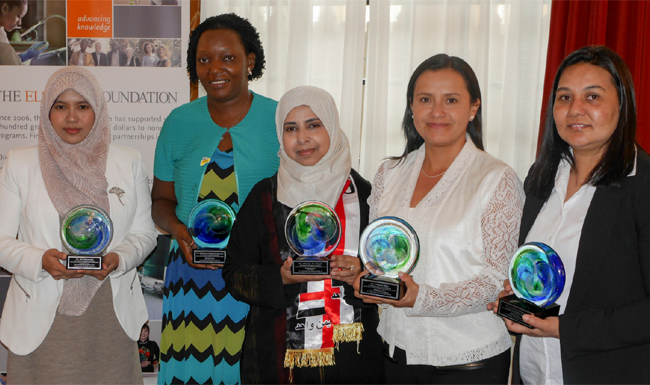
Indonesian & Nepali Among Elsevier Foundation Award Winners
In recognition of their life-enhancing work, five researchers were honored at the Elsevier Foundation Awards for Early Career Women Scientists in the Developing World.

What The Editing History Of Wikipedia Reveals
Wikipedia is edited by volunteers worldwide but still has a surprising order, according to an analysis of its edit history.
Aspen Institute Announces 2016 Class Of New Voices Fellows
Through the New Voices Fellowship, leaders and field experts from Asia, Africa and Latin America hope to bring new perspectives to international development.

Singaporean Satellites Complete First Space Missions
Two satellites entirely designed and built by teams from Nanyang Technological University have been testing out new technologies in space.

Turning Sunrays Into Gold
Ms. Tetchi Cruz-Capellan, founder of the Philippine Solar Power Alliance and CEO of SunAsia Energy, harvests the sun to power the Philippines.