


The Asian Scientist 100
Tan Eng King

Institution
National Neuroscience Institute
Country
Singapore
Field
Life Sciences
Tan Eng King received the 2018 President’s Science Award for identifying clinical biomarkers, developing novel models and transforming patient care in Parkinson’s Disease. (Photo: National Neuroscience Institute)
Related articles
Re-Writing The Rules Of Lithium Ion Batteries
Ultrafast spectroscopy has revealed that components of the electrolyte play a much more important role in battery performance than previously thought.
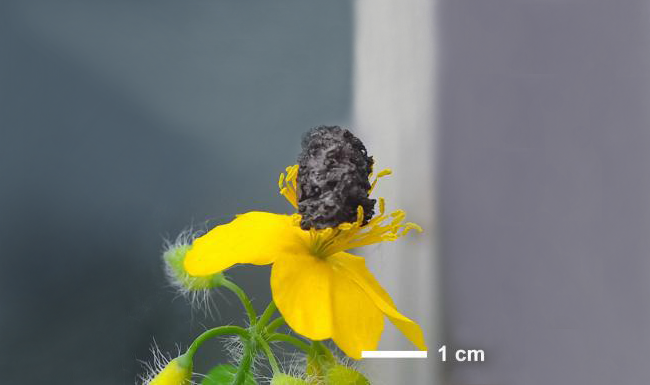
Feather-Light Cathodes Unlock The Potential Of Lithium-Oxygen Batteries
It may be made entirely out of metal, but this cathode is still ultra-light.

Dengue’s Spread In Asia Linked To Air Travel
Examining data from Asia over 59 years beginning in 1956, scientists in China show that air traffic is associated with the spread of the dengue virus across Asia.
Asia’s Scientific Trailblazers: Usa Thisyakorn
Professor Usa Thisyakorn, chairman of the Asian Dengue Vaccine Advocacy, hopes to present a united front against dengue in Thailand.

Westeros Maesters Seek R&D Funding
The Seven Kingdoms may be at war, but erratic seasonal patterns and infectious diseases such as greyscale need more research funding, write senior maesters in an open letter to King’s Landing.
5 Steps To Prevent Zika Virus Infection
Here are five practical steps you can take to protect yourself and your family members against Zika infections.

Adjusting ‘Lazy Eyes’ With Augmented Reality
Researchers in China have shown that augmented reality technology can be used to correct ‘lazy eye’ or amblyopia.

Tech For The Social Good
Technology gave us 140 characters, but can it also help companies deliver social impact? Panellists question the floor at SGInnovate’s first Women in Tech Evening.

Experiments In Science Journalism
Science journalism is under pressure, but just like in science itself, the solution(s) are experimental.