


The Asian Scientist 100
Tan Eng King

Institution
National Neuroscience Institute
Country
Singapore
Field
Life Sciences
Tan Eng King received the 2018 President’s Science Award for identifying clinical biomarkers, developing novel models and transforming patient care in Parkinson’s Disease. (Photo: National Neuroscience Institute)
Related articles

Kazutoshi Mori Wins 2018 Breakthrough Prize
Kazutoshi Mori was recognized for his discovery of the unfolded protein response, a cellular quality-control system that detects disease-causing unfolded proteins and directs cells to take corrective measures.

Ramp Up Your Resume
Having a well-crafted CV is the first step through the door to a desired job; here are four tips to help you put together a polished one.

Producing Ethylene Using Solar Energy
Scientists in Singapore have developed an artificial photosynthesis device for greener ethylene production.
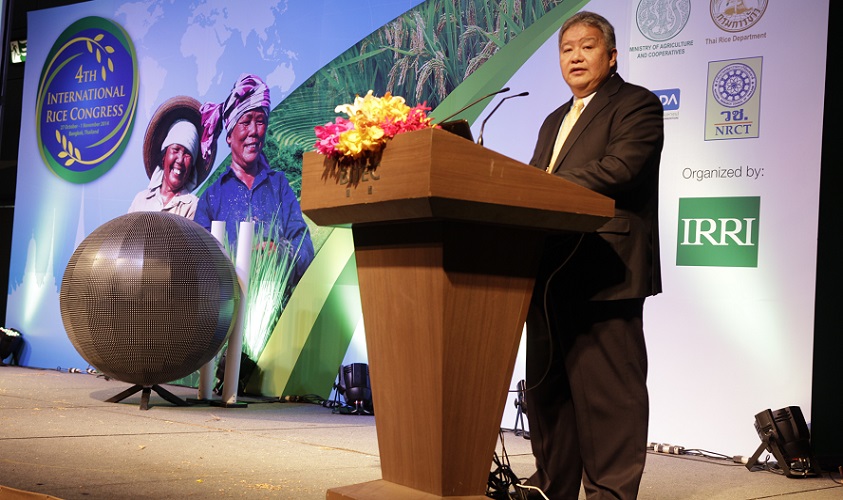
Planting The Seeds Of Food Security In Asia
In Asia, the humble rice grain has far-reaching impacts on lives and economies. Dr. Bruce Tolentino of the International Rice Research Institute shares his insights.

Giving AI A Fair Trial
Society must carefully weigh the merits and potential pitfalls of advanced AI that can do the work of junior lawyers, make judicial decisions and influence human behavior, said experts at SMU’s Future of Law Conference.

China Gets The Go Ahead To Use Recombinant Interferon Against Bird Flu
Chinese scientists can now use recombinant chicken α-interferon to prevent and treat avian influenza infection.

A Searchlight For Diseased Tissues
Scientists have created nanoparticles that are 20 to 120 times more sensitive than existing disease imaging methods.

China Bags Second Gordon Bell Prize
Using the fastest supercomputer in the world, a team from China has won the 2017 edition of the highly coveted ACM Gordon Bell Prize.

Gels That Don’t Break Under Pressure
Researchers in Japan have developed a robust ionic liquid gel that could be used as an electrolyte for rechargeable batteries or membranes for gas separation.