


The Asian Scientist 100
Lu Ke

Institution
Chinese Academy of Sciences
Country
China
Field
Materials Sciences
Lu is the winner of the 2020 Future Science Prize (Physical Science Prize) for discovering and synthesizing a superior nanotwinned structure and gradient nanostructure.
(Photo: Future Science Prize)
AWARDS
- Future Science Prize 2020
Related articles

Equitable Access To Nature Improves Wellbeing In Urban Areas
Childhood experience with nature is a significant predictor of adult well-being, found the study.

A New Immune Cell Atlas To Help Decode Disease Risk In Asians
World’s first Asian Immune Diversity Atlas (AIDA) can lead to more accurate diagnoses and personalized treatments for Asian populations.

Oceans Hold Key To Forecasting China’s Prolonged Summer Rains
Temperature fluctuations in the tropical Pacific and Indian Oceans are linked to 85 percent of persistent summer rainfall in China.

Making Precision Medicine Equitable
Researchers and policymakers in Asia are trying to make medical research more inclusive to better serve the region’s diverse communities.

Heart Research Has A Gender Bias
The underrepresentation of women in heart research and treatment has perpetuated the widespread misconception that cardiovascular diseases are more common in men. Some women researchers in Asia have come forward to challenge that.

Moderate Morning Light In Bedroom Can Enhance Wakefulness
Residential architectural designs should incorporate elements such as exposure to natural light in bedrooms to improve alertness.

Antibiotic Resistant Bug Found in Retail Chicken In Bangladesh
E. albertii is known to cause gastrointestinal diseases in humans, such as watery diarrhea, abdominal pain, vomiting and fever.

This AI Plant Doctor Can Monitor Urban Plant Health
The hybrid machine learning software can detect damaged foliage regardless of lighting and shape variations in the leaves.
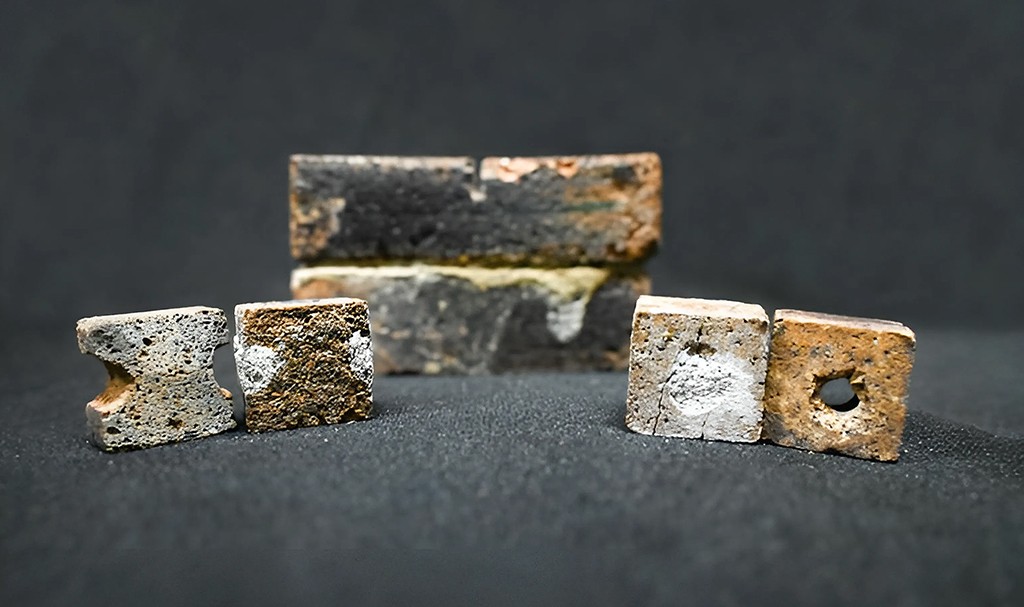
Scientists Use Bacteria To Repair Bricks In Space
A mix of calcium carbonate produced by soil bacterium Sporosarcina pasteurii and guar gum may hold the key to repair broken bricks in lunar space.