


The Asian Scientist 100
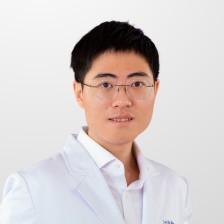
Hei Ming Lai
Institution
The Chinese University of Hong Kong
Country
Hong Kong
Field
Biomedical Sciences
Lai won the 2024 Croucher Tak Wah Mak Innovation Award for leading research in creating a 3D spatial multi-omics platform for clinical diagnostics and spatial biology research.
(Photo: The Chinese University of Hong Kong)
AWARDS
- 2024 Croucher Tak Wah Mak Innovation Award
Related articles

CRISPR Takes Center Stage
It’s been nearly a decade since CRISPR captured public imagination. As the technology matures, we’ve rounded up some of CRISPR’s most interesting use cases to emerge in recent years.

A Strong & Transparent Alternative To Plastic
Instead of non-biodegradable plastic, your next ‘plastic’ bag could be made out of bacterial biofilms.

Sequencing Telomeres In A Snap
Researchers in Singapore have developed a new system for accurate and speedy telomere profiling, which could impact the diagnosis of age-related diseases.

Bellowing Alligator Study Wins Ig Nobel Acoustic Prize
An international team won the acoustic category at the 30th First Annual Ig Nobel Prize for inducing a Chinese alligator to bellow in a helium-filled chamber.

Ancient Shellfish Sailed The Seas On The Shells Of Turtles
Colonizing the shells of live sea turtles might have allowed mollusks to encounter previously unexplored niches, scientists say.
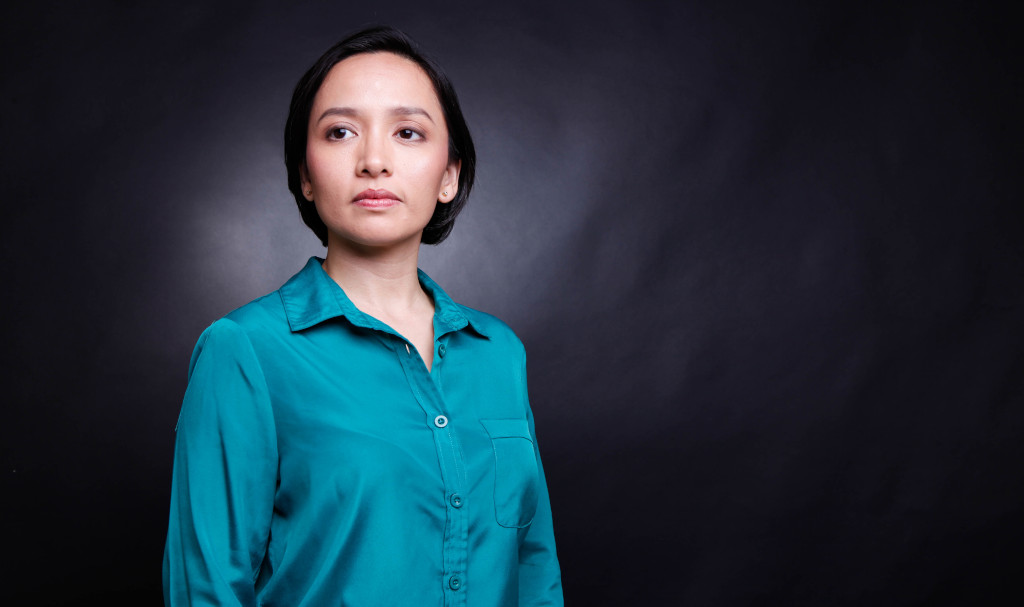
Asia’s Rising Scientists: Kathleen Aviso
As the world increasingly feels the effects of climate change, Professor Kathleen Aviso is using mathematical models to help guide better environmental decisions.
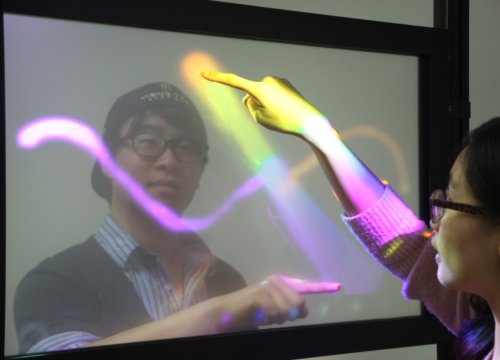
KAIST Develops Two-Sided Touchable Display, TransWall
The two-sided, transparent TransWall developed at KAIST provides users with interactive haptic feedback.
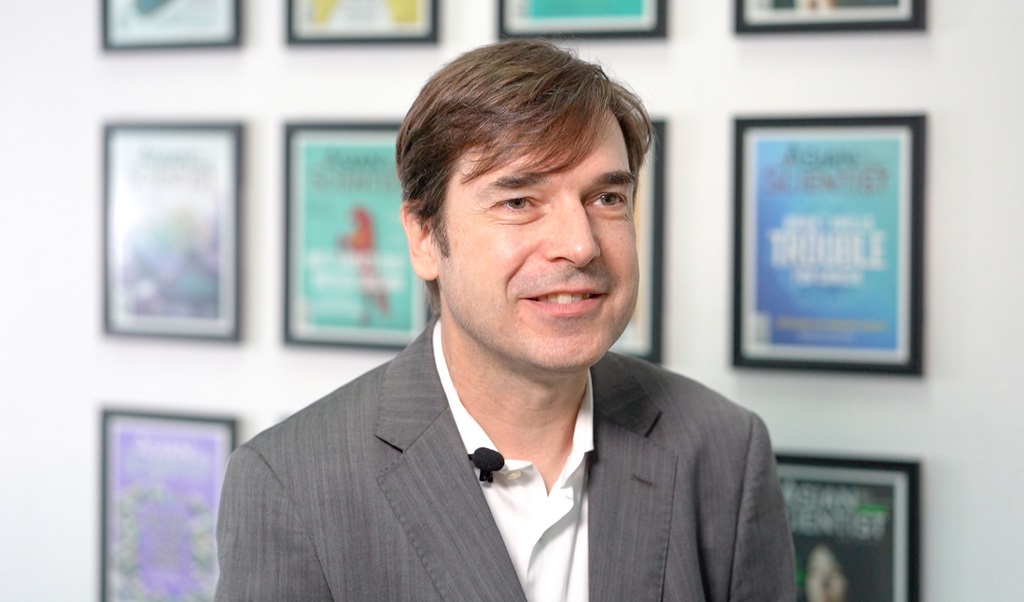
Pushing The Frontiers Of Food Innovation (VIDEO)
Dr. Ralph Graichen, senior director of the Food, Nutrition and Consumer Care Cluster at A*STAR, Singapore, is spearheading initiatives to promote food innovation in Singapore.

Orthopedic Surgeon By Day, Ringside Doctor By Night (VIDEO)
With his expertise in orthopedic surgery, Dr. Alan Cheung is a veritable heavyweight in the operating room all the way to the ringside.