


The Asian Scientist 100
Hei Ming Lai
Institution
The Chinese University of Hong Kong
Country
Hong Kong
Field
Biomedical Sciences
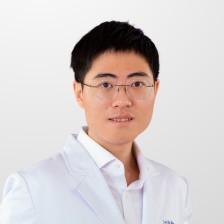
Lai won the 2024 Croucher Tak Wah Mak Innovation Award for leading research in creating a 3D spatial multi-omics platform for clinical diagnostics and spatial biology research.
(Photo: The Chinese University of Hong Kong)
AWARDS
- 2024 Croucher Tak Wah Mak Innovation Award
Related articles

Diagnosing COVID-19 In An Hour
Researchers in Singapore have developed a point-of-care diagnostic system for COVID-19 that is portable, easy to use and produces results in about an hour.

Engineered For Innovation (VIDEO)
Peter Ho, CEO of engineering company HOPE Technik, aims to deliver bespoke engineering solutions with real-world impact.

Test Detects SARS-CoV-2 Neutralizing Antibodies In Hours
Not only is it much faster than conventional tests, it does not need to be performed in special biosafety laboratories.

Technology Is Tackling Some Of Agriculture’s Thorniest Issues
There is both a science and art to agritech, and when used correctly it can reverse the biggest challenges farmers face, from climate change to super-invasive pests.

Automating The Way Towards Ultra-precise Surgeries (VIDEO)
Mr. Alan Goh, co-founder of NDR Medical Technology, is helping realize the potential of minimally invasive surgeries through robotics and artificial intelligence.

Building Trust In Artificial Intelligence
Artificial intelligence is at an inflection point, writes BasisAI CEO Liu Feng-Yuan, and its widespread adoption depends on whether society can place its trust in it.
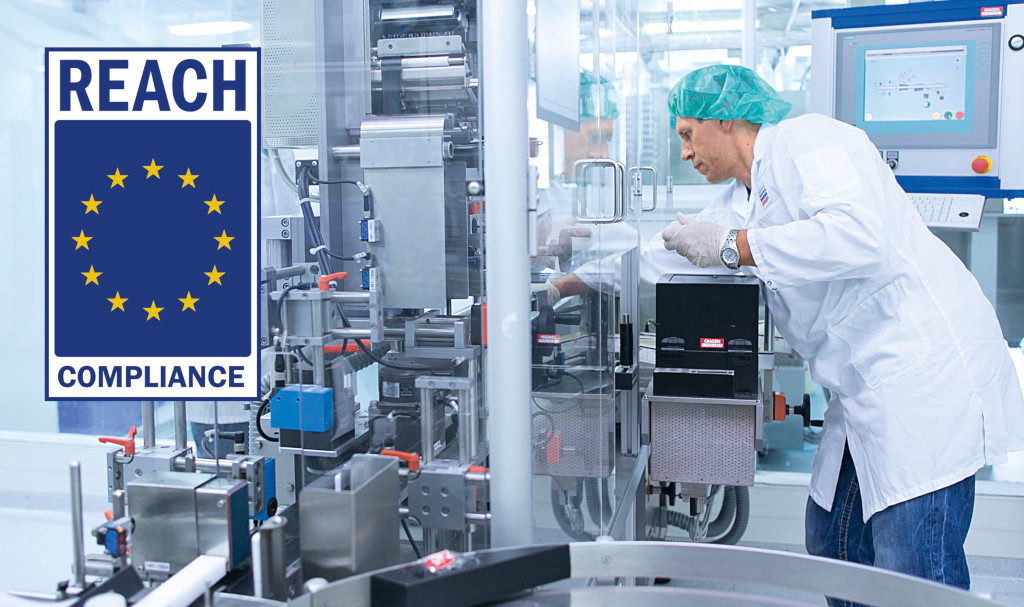
Are You Ready For REACH Compliance?
Partnering with a reliable biotechnology supplier can help ensure your product is REACH compliant.

Turning Wastewater Into Insights
The testing of sewage and waste water could represent a powerful form of bio-surveillance, writes AMILI CEO Jeremy Lim.

How Singapore Is Taking On COVID-19
An effective government-led response, trust in authorities and regular communication has helped Singapore mitigate the first wave of COVID-19 imports, writes Jeremy Lim.