


The Asian Scientist 100
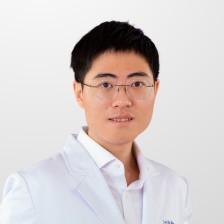
Hei Ming Lai
Institution
The Chinese University of Hong Kong
Country
Hong Kong
Field
Biomedical Sciences
Lai won the 2024 Croucher Tak Wah Mak Innovation Award for leading research in creating a 3D spatial multi-omics platform for clinical diagnostics and spatial biology research.
(Photo: The Chinese University of Hong Kong)
AWARDS
- 2024 Croucher Tak Wah Mak Innovation Award
Related articles

Nanoparticles Make Pesticide Detection Super Sensitive
Using polystyrene coated magnetic nanoparticles, scientists in Singapore were able to detect trace amounts of pesticide on vegetables in less than two hours.
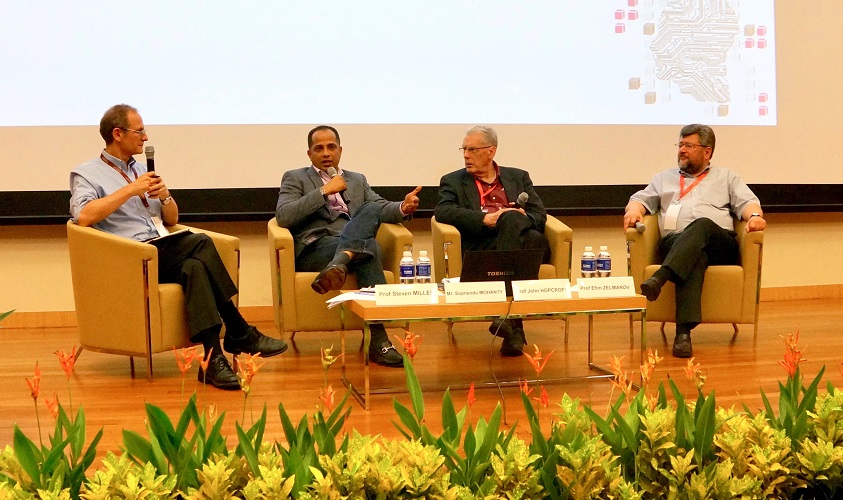
When AI Meets The Blockchain
Beyond the hype surrounding each technology, artificial intelligence and blockchain could have a synergistic impact when used together.
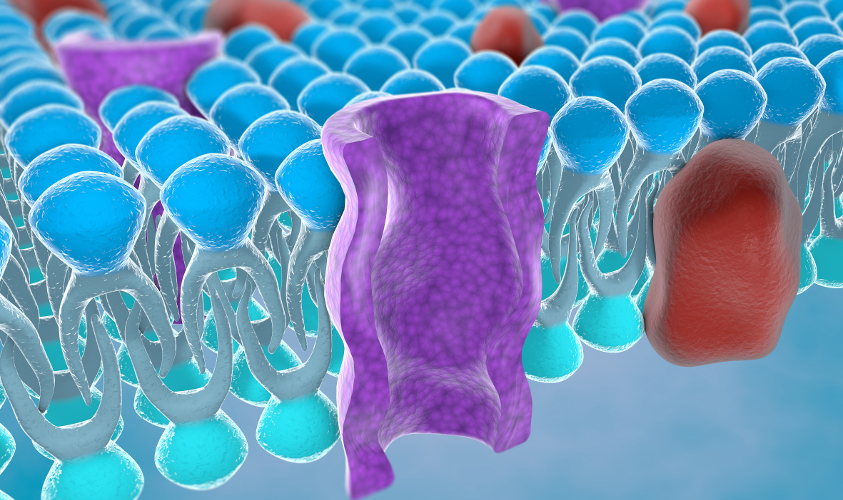
Artificial Membranes To Speed Up Drug Discovery
Scientists in Japan have developed a silicon chip that can act as an artificial membrane for the testing of drug side effects.

Plants Conquered Land 500 Million Years Ago
Scientists in China and the UK have used fossil evidence and genomic data to demonstrate that land plants first appeared about 500 million years ago.

Bacteria Spews Cyanide To Fend Off Predators
A team of scientists in South Korea have revealed how one bacterium inhibits predators with cyanide.

Zombie Algae Reveal How Multicellular Animals Move
Scientists in Japan have used ‘zombie algae’ to better understand how multicellular organisms move in response to light stimulation.
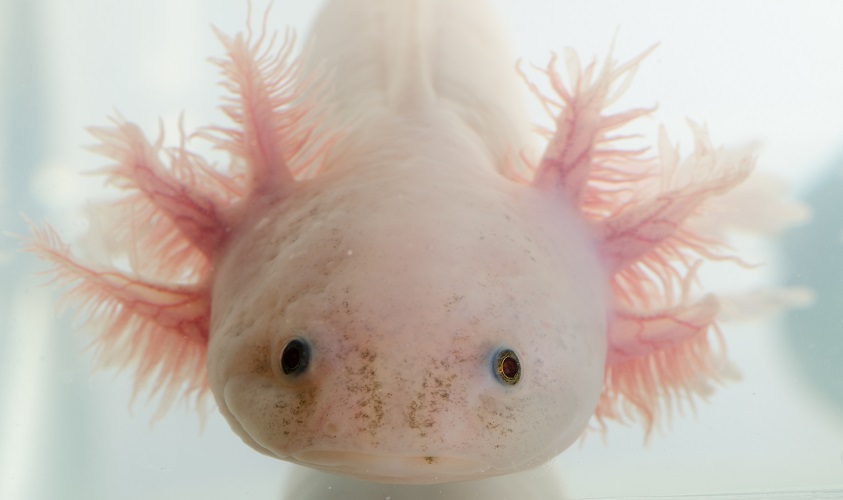
Growing The Model Organism Menagerie
Yeast, flies and worms may be mainstays in biology laboratories, but non-traditional model organisms like salamanders, giant protists and tardigrades are fast becoming easier to study.

Intuition In The Age Of Information
Data may rule the digital age, but it cannot completely replace gut instinct and business experience, says Professor Li Yan of ESSEC Business School, Asia-Pacific.

Makoto Fujita Receives The 2018 Wolf Prize In Chemistry
For his outstanding contributions to metal-guided synthesis, Professor Makoto Fujita was awarded the 2018 Wolf Prize in chemistry.