


The Asian Scientist 100
Hei Ming Lai
Institution
The Chinese University of Hong Kong
Country
Hong Kong
Field
Biomedical Sciences
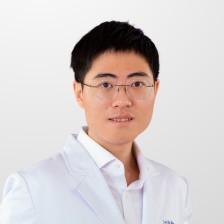
Lai won the 2024 Croucher Tak Wah Mak Innovation Award for leading research in creating a 3D spatial multi-omics platform for clinical diagnostics and spatial biology research.
(Photo: The Chinese University of Hong Kong)
AWARDS
- 2024 Croucher Tak Wah Mak Innovation Award
Related articles

Future-Proof Me
Our columnist Alice thinks that coding and writing skills, coupled with emotional intelligence and cultural sensitivity, are keys to survival in a globally connected and digital future.

Sharing Science One Pint At A Time
Learning about science need not be confined to the classroom, scientists are breaking out and coming soon to a pub near you.

Early Life Nutrition Goes Digital
Digital tools are providing parents with new ways of tackling age-old parenting problems and arming researchers with data.

MicroRNAs That Trigger Beta Cell Proliferation
Scientists in Japan have identified two new microRNAs that may help develop regenerative therapies for diabetes patients.

Genetically Diverse Trees Support A Wider Range Of Insects
A research group in Japan has identified correlations between the genetic diversity of a tree species and its constituent insect communities.

Precision Drug Release With Pumpkin-Shaped Molecules
Scientists have developed light-responsive molecules for the controlled release of chemotherapy drugs to cancer cells.

Being A Scientist Is Like…
It can be tough explaining to a young person what being a scientist is like. Here are some creative ways to go about it.

JW Therapeutics Raises US$90 Million In Series A Funding Round
The funds will be used to further advance JW Therapeutic's chimeric antigen receptor T-cell clinical program, develop a therapeutic pipeline and build a new commercial manufacturing facility.

Ready For Liftoff
With technological advances lowering barriers to entry for startups and smaller players, it’s all systems go for Singapore space tech.