


The Asian Scientist 100
Emi Ito

Institution
Osaka University
Country
Japan
Field
Life Sciences
Ito was awarded the 2023 JSPS Ikushi Prize by the Japan Society for the Promotion of Science for her research on unraveling the role of host-derived metabolites in the development of innate-type T cells.
(Photo: Osaka University)
AWARDS
- 2023 JSPS Ikushi Prize
Related articles

Speaking Information, The Language Of The Markets
The capital markets hinge on financial information, and accounting researchers like SMU Assistant Professor Lou Yun are poised to decode it.
The Pause Button Inside The Brain
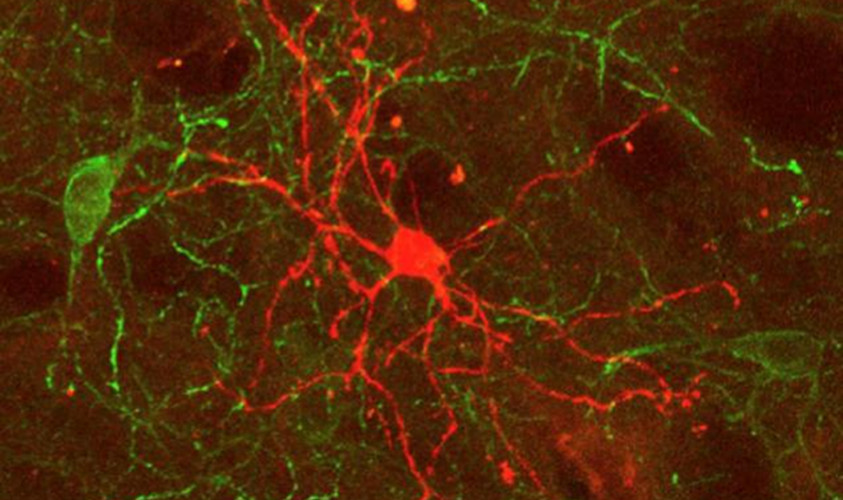
Using optogenetics, researchers in Japan have demonstrated how the activity of specific neurons in the brain allow mice to prioritize their responses to the environment.

Holey Graphene Boosts Hydrogen Production
Graphene riddled with holes can protect metal electrodes from acid degradation, thereby increasing the efficiency of hydrogen production during electrolysis.

The Wild Ride Has Only Just Begun
With its official launch on May 4, 2018, Singapore-based Wildtype Media Group aims to kick science communication into hyperdrive.
Chinese Satellite Delivers Its First Global Carbon Dioxide Maps
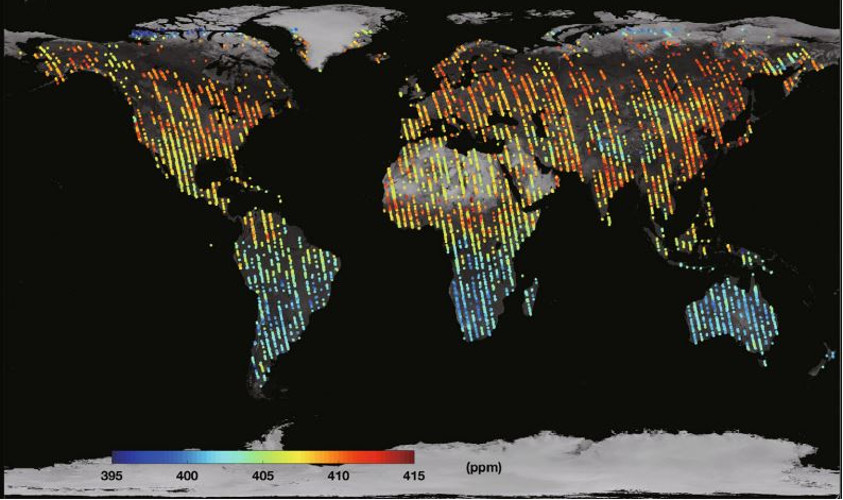
The TanSat greenhouse gas monitoring satellite has produced its first global carbon dioxide map.

AI Researchers Boycott Nature Machine Intelligence Journal
A statement calling on AI researchers to withhold submissions to Nature Machine Intelligence has garnered over 1,600 signatures.

Keeping Science In The Public Eye
Capturing the nuances of scientific research and translating it into something that the public will understand is no easy feat, but EurekAlert!’s Brian Lin has a wealth of experience to share.

Harvesting Valuable Metals From E-Waste Makes Financial Sense
Scientists in China have demonstrated that recycling valuable metals from electronic waste is cheaper than the mining of ores.

Eight Seriously Cool (And Weird) Technologies From The Rekimoto Lab (VIDEO)
Here are eight futuristic technologies that have been turned into reality by Professor Jun Rekimoto of the University of Tokyo.