


The Asian Scientist 100
Emi Ito

Institution
Osaka University
Country
Japan
Field
Life Sciences
Ito was awarded the 2023 JSPS Ikushi Prize by the Japan Society for the Promotion of Science for her research on unraveling the role of host-derived metabolites in the development of innate-type T cells.
(Photo: Osaka University)
AWARDS
- 2023 JSPS Ikushi Prize
Related articles

A Bright Way To Detect Dangerous Gases
Researchers in Japan have developed a fluorescent sensor that allows solvent vapors to be detected by the naked eye.
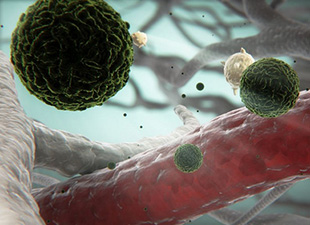
Researchers Engineer Potent Antibody Against Dengue Virus
Researchers from Singapore and the U.S. have engineered a potent antibody against the dengue virus.

Locating The Dengue Virus’ ‘Achilles Heel’
Scientists in Australia and China have identified an antibody protects against all four types of dengue viruses.

A Shot In The Arm For Dengue Control?
The world's first dengue vaccine is good news, but not a perfect solution.
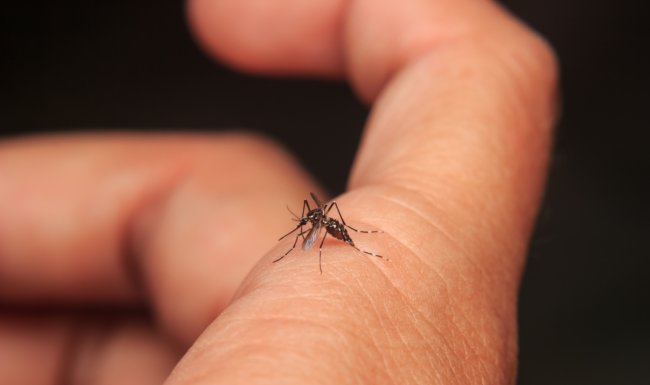
Dengue And The Silent Majority
Three quarters of the people infected with dengue don't show any symptoms—and yet they are more likely to spread the disease than those who do.

Catching Autophagy In The Act
Scientists in South Korea have used the fluorescence resonance energy transfer technique to observe autophagy in live cells.

Intuition In The Age Of Information
Data may rule the digital age, but it cannot completely replace gut instinct and business experience, says Professor Li Yan of ESSEC Business School, Asia-Pacific.

Fabricating Aerogels From Fabric Waste
Scientists in Singapore have developed an aerogel from cotton-based waste that can be used to stop excessive bleeding.

Antioxidants Prevent Sexual Transmission Of Zika Virus In Mice
The antioxidant drug ebselen can prevent sexual transmission of Zika from male to female mice, according to research by scientists in Taiwan.