


The Asian Scientist 100
Di Li

Institution
National Astronomical Observatories of the Chinese Academy of Sciences
Country
China
Field
Aerospace & Astronomy
Li received the Marcel Grossmann Award for his pioneering contributions in the field of fast radio bursts. Li is the first scientist in China to receive this prize for research conducted within China.
(Photo: The Paper)
AWARDS
- Marcel Grossmann Award
Related articles

Eisai Launches Website On Neglected Tropical Diseases
The Eisai Access to Medicines Navigator provides information on neglected tropical diseases for patients and healthcare professionals.

Peking University Collaborates With Canada On Spinal Injury Research
An extension of an earlier agreement in 2011, the new collaboration will focus on applying accredited standards to the rehabilitation of patients with spinal injury.

Ding Zhongli Appointed President Of CAS University
Academician Ding Zhongli has been named president of the University of the Chinese Academy of Sciences.
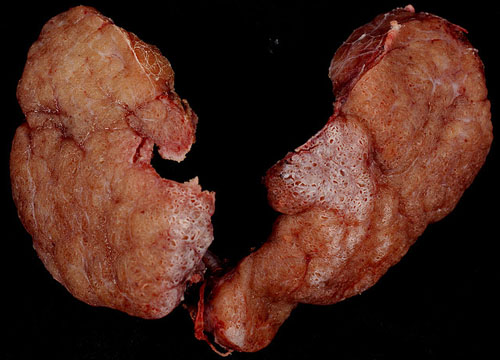
Research Links Thyroid Disease To Ethnicity
Asians, African Americans and Pacific Islanders have a higher risk of the autoimmune disorder Graves' disease than Caucasians, according to a study.

Two Mouse Models To Study Alzheimer’s Disease
Research in Alzheimer's disease could be accelerated with the use two new mice models that realistically model the disease in humans.
Lonza Singapore Receives GMP Certification
The GMP certification from the Singapore Health Science Authority allows Lonza to contract manufacture products for use in the United States and Europe.
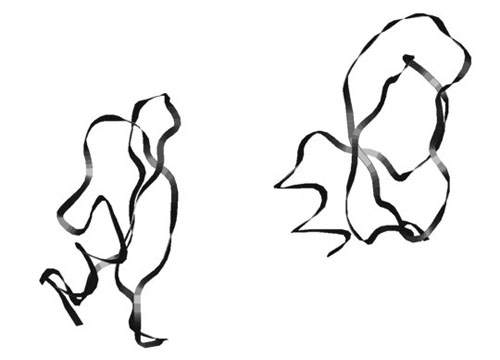
Scientists Discover Role Of APP In The Brain
Usually associated with Alzheimer's disease, scientists have found that the protein APP controls the growth of new brain cells via a target known as microRNA-574-5p.
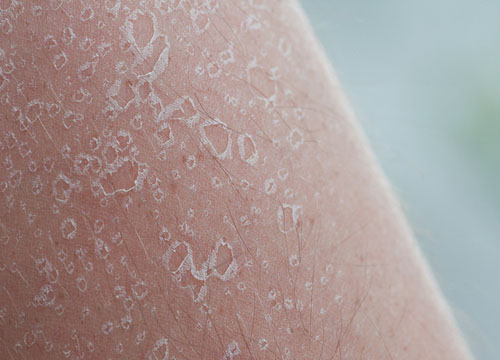
Vaccine Could Prolong Melanoma Patient Survival
A ten-year study shows that a vaccine called vaccina melanoma cell lysate could help prolong the lives of late stage skin cancer patients.

Mystery At Material Interface Unveiled
Researchers from Singapore and Germany have found a new way to study the curious properties observed at the interface of materials.