


The Asian Scientist 100
Di Li

Institution
National Astronomical Observatories of the Chinese Academy of Sciences
Country
China
Field
Aerospace & Astronomy
Li received the Marcel Grossmann Award for his pioneering contributions in the field of fast radio bursts. Li is the first scientist in China to receive this prize for research conducted within China.
(Photo: The Paper)
AWARDS
- Marcel Grossmann Award
Related articles

Nanomedicine For Glaucoma By NTU & SERI
The nanotechnology-based drug delivery system jointly tested by NTU and SERI allows glaucoma patients to do away with daily eye drops.

Putting Light Into Motion
Exposure to UV light leads to mechanical strain in crystals, causing them to burst violently and travel distances hundreds of times their size, NUS scientists demonstrate.

Three Institute Collaboration Releases 3,000 Rice Genomes
A collaborative effort between the CAAS, BGI and the IRRI has published the genomes of 3,000 rice varieties, amounting to 13.4 terabytes worth of data.

Estradiol Could Help Female Schizophrenics
A randomized clinical study has shown that estradiol alleviates symptoms of schizophrenia in women who were resistant to other forms of treatment.
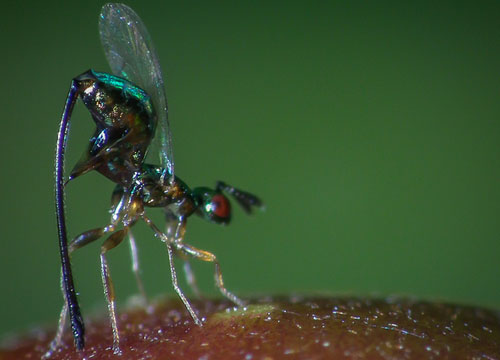
Parasitic Fig Wasps Equipped With Zinc-Tipped Drills
The parasitic fig wasp pierces the tough outer layer of figs with a zinc-toothed ovipositor that is as hard as dental cement.
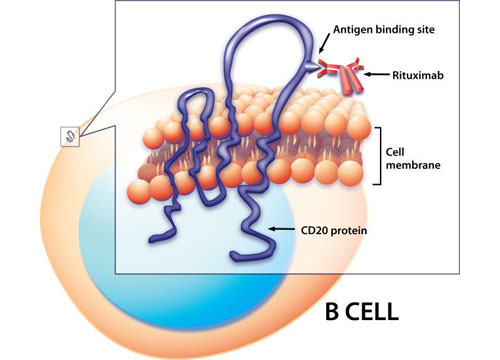
MacroGenics & Takeda Develop Bi-Specific Antibodies For Autoimmune Diseases
MGD010, which simultaneously targets the cell surface receptors CD32B and CD78B, could help modulate B cell function without causing depletion.
Why Do Girl Babies Survive Better?
The secret to baby girls' enhanced ability to survive to birth could lie in a risk-averse strategy, according to a study of placental gene expression.
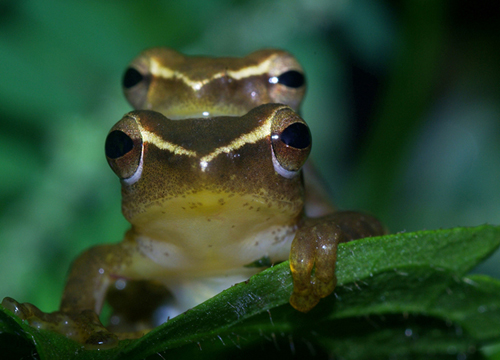
Unusual Parenting Behavior Observed In Asian Frogs
The efforts of C. hansenae in caring for their young prevent the eggs from drying out and could act as a buffer against environmental pressures.

Developing Nations Show Extremes In Research Gender Balance
Both the highest and lowest female to male researcher ratios come from the developing world. However, more data needs to be collected to get a clearer picture, Jan Piotrowski says.