


The Asian Scientist 100
Di Li

Institution
National Astronomical Observatories of the Chinese Academy of Sciences
Country
China
Field
Aerospace & Astronomy
Li received the Marcel Grossmann Award for his pioneering contributions in the field of fast radio bursts. Li is the first scientist in China to receive this prize for research conducted within China.
(Photo: The Paper)
AWARDS
- Marcel Grossmann Award
Related articles

Asia’s Scientific Trailblazers: Professor Kazutoshi Mori
In this edition of Asia's Scientific Trailblazers, we feature Professor Kazutoshi Mori, who won the 2014 Lasker Prize for his work on the unfolded protein response.
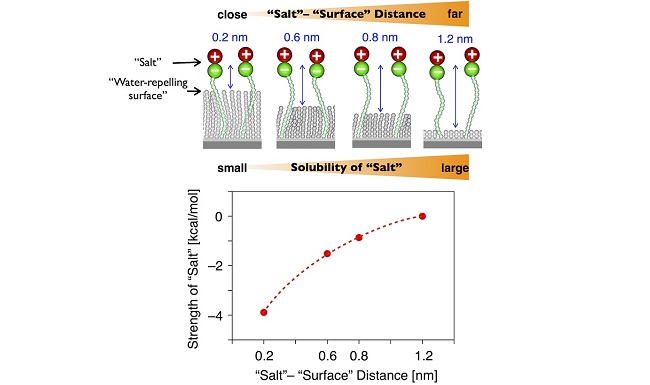
Hydrophobic Surfaces Reduce Salt Solubility In Water
Hydrophobic or water-repelling surfaces can influence the solubility of salts in water, a finding which could inform the design of drugs and self-cleaning surfaces.

How Science Diplomacy Is Bridging The Two Koreas
Through joint initiatives such as the Pyongyang University of Science and Technology, science could help foster bilateral cooperation between North and South Korea.

Early Clinical Trial Success For Rheumatoid Arthritis Vaccine
A small clinical trial has shown that a dendritic cell-based vaccine against citrullinated peptides could treat rheumatoid arthritis.

Computer Games Might Benefit Children With ADHD
A small pilot study has shown that game-based neurocognitive training could help manage the symptoms of ADHD in children.

Changing Elements Boosts Battery Storage Capacity
Electrochemically inactive lithium oxides can be modified into high capacity electrodes for rechargeable batteries, study says.
World’s Largest Laser Used To Heat Fusion Fuel To 20,000,000°C
In the future, lasers such as the world's largest petawatt laser—the LFEX—could be used to achieve nuclear fusion.
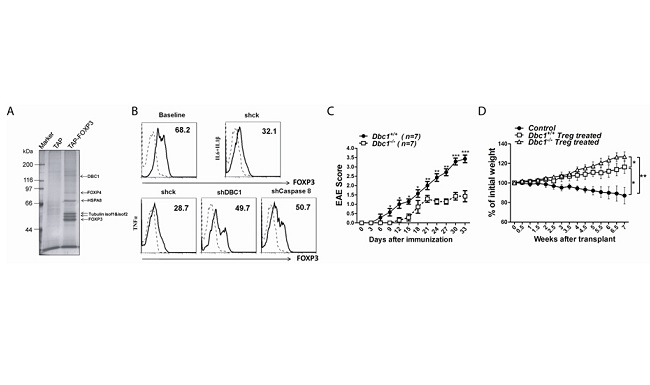
How Inflammation Switches Off Tregs
DBC1, which has recently been shown to decrease the stability of immune suppressing transcription factor FOXP3, could be a therapeutic target for autoimmune diseases.

Poor Nations Concerned About Coping With MERS
With weaker health systems, developing nations are concerned that MERS will spread rapidly if imported into their countries by travelers.