


The Asian Scientist 100
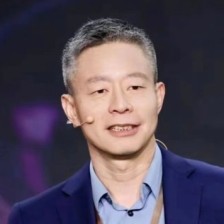
Di Li
Institution
National Astronomical Observatories of the Chinese Academy of Sciences
Country
China
Field
Aerospace & Astronomy
Li received the Marcel Grossmann Award for his pioneering contributions in the field of fast radio bursts. Li is the first scientist in China to receive this prize for research conducted within China.
(Photo: The Paper)
AWARDS
- Marcel Grossmann Award
Related articles
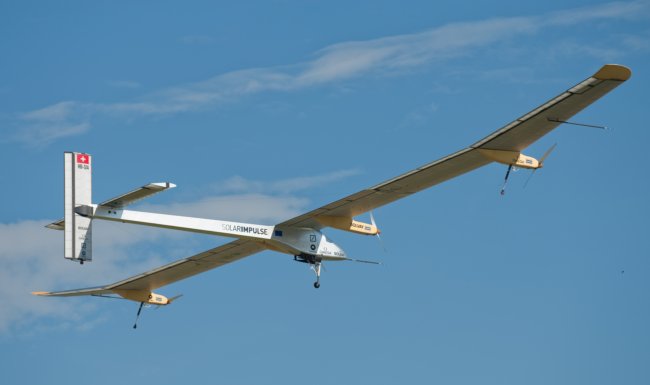
It Takes Three To Clap: Helping Renewable Energy Soar In Asia
A high-level panel at the World Economic Forum on East Asia discussed a trifecta of changes in policy, technology and education that are needed to help renewable energy take flight in the region.

Let Them Eat Waste: The Microbes Helping To Clean Up Fukushima
Dealing with radioactive waste is a tall order, but the solution could lie with very small microorganisms.

Editor’s Note – July 2015 Print Magazine
Clean technology will play an increasingly important role in meeting Asia's growing energy needs. This issue, we delve into the companies and personalities leading the way.

Self-Assembly Lowers PRAM Operating Currents
By harnessing self-assembling nanomaterials, scientists have made flexible phase-change random access memory devices more feasible.

Of Epidemics And The End Of The World
Sure, pandemics can be scary and shouldn't be taken too lightly. But don't let Hollywood-style hysteria take over either.

Lingzhi Tweaks Gut Bacteria To Fight Obesity In Mice
The medicinal mushroom Lingzhi has been shown to help mice on a high fat diet lose weight.

Antimicrobial Resistance: The End Of The Antibiotics Era
Dr. Ramanan Laxminarayan speaks to Asian Scientist about the World Health Organization’s plans to combat antimicrobial resistance and the challenges ahead.
Professor Tommy Koh: The Future Of Water Today
National University of Singapore's Professor Tommy Koh highlights the importance of treasuring water and discusses solutions to conserve water.

The WHO Dealmakers: Sending Vaccine Technology To The Third World
Empowering countries to make their own vaccines may sound like a herculean task, but it is all in a day's work for the Technology Transfer Initiative team at the World Health Organization.