


The Asian Scientist 100
Di Li

Institution
National Astronomical Observatories of the Chinese Academy of Sciences
Country
China
Field
Aerospace & Astronomy
Li received the Marcel Grossmann Award for his pioneering contributions in the field of fast radio bursts. Li is the first scientist in China to receive this prize for research conducted within China.
(Photo: The Paper)
AWARDS
- Marcel Grossmann Award
Related articles

NSF Report Describes China’s Meteoric Rise In R&D
According to the National Science Board Science and Engineering Indicators 2016 report released this week, Asia now accounts for 40 percent of global R&D, with China leading the pack.
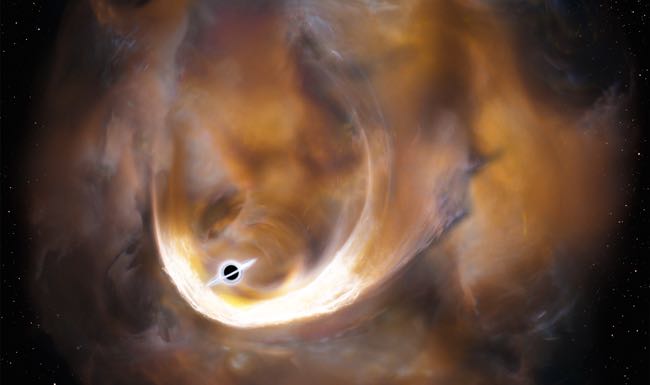
Scientists Detect Signs Of Large Black Hole In The Milky Way
Radio telescopes have identified a possible black hole 100 thousand times the mass of the Sun, hinting at many more “dark” black holes in the Milky Way.

Why Some People Need Less Sleep
Using a newly developed method for monitoring mouse sleep cycles, researchers identified a gene which allows mice to survive on less sleep than normal.

The Surprising Effects Of Light On Kids
Research suggests that light exposure influences the weight of preschool children—raising questions about how we approach issues like child obesity.

Delhi Tackles Air Pollution With Trial Car Ban
To address the ever-constant threat of air pollution in the city, Delhi's government has introduced an odd-even car ban for two weeks.

A Microchip That Can Mimic Bone Tissues
This microchip accurately predicts and reproduces the physiological phenomena that occur in human and animal bone tissues.

Be Inspired By The Best & Brightest In Science
The Global Young Scientists Summit 2016 will gather an elite group of scientific luminaries and technology leaders in Singapore to inspire the next generation.
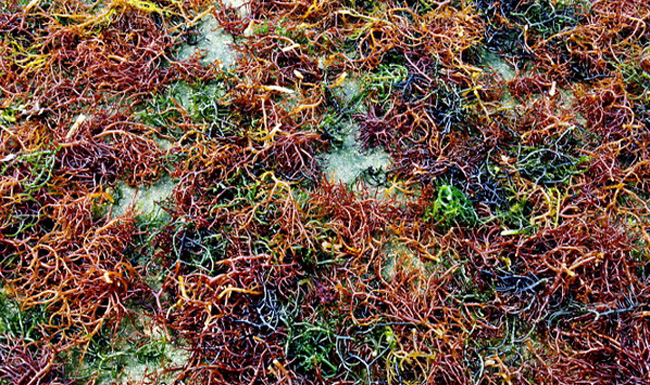
Seaweed Extract May Boost Rice Production
This gamma-radiated seaweed extract can increase rice production by about a third and guard against major pests.

‘Observing’ Black Holes From The Comforts Of Home
Astronomers have found that black holes emit visible light during 'outbursts' of energy, allowing anyone with a home-use telescope to observe them.