


The Asian Scientist 100
Di Li

Institution
National Astronomical Observatories of the Chinese Academy of Sciences
Country
China
Field
Aerospace & Astronomy
Li received the Marcel Grossmann Award for his pioneering contributions in the field of fast radio bursts. Li is the first scientist in China to receive this prize for research conducted within China.
(Photo: The Paper)
AWARDS
- Marcel Grossmann Award
Related articles

Scientists Link Textile Dust Exposure To Rheumatoid Arthritis
Occupational exposure to textile dust has been shown to more than double the risk of developing rheumatoid arthritis in Malaysian women.
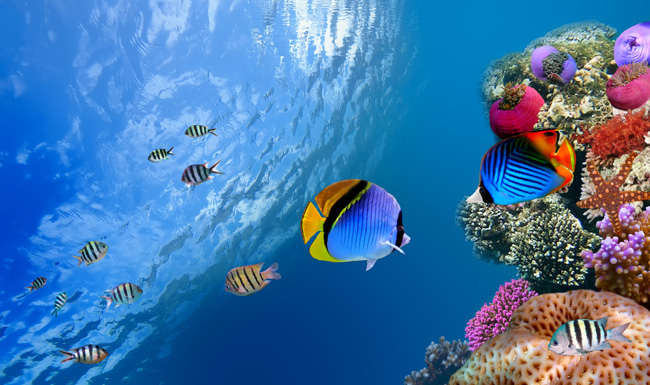
Fish Getting ‘Drunk’ From High Carbon Dioxide Levels: Study
By 2100, marine life in half the world’s surface oceans are expected to be affected by carbon dioxide intoxication, which is a condition known as hypercapnia.

Coverage Of The Global Young Scientists Summit 2016
Here are some of the top stories from the Global Young Scientists Summit 2016.
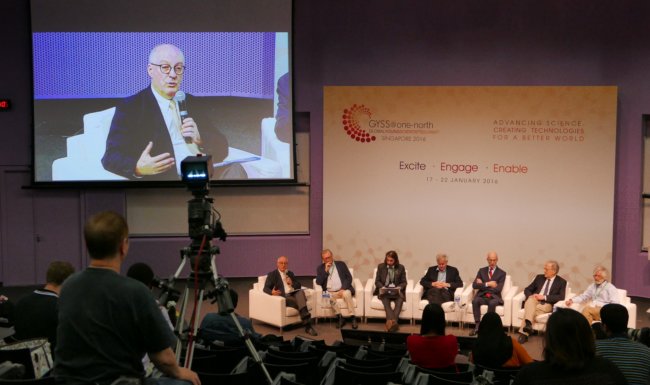
Scientists Should Engage The Public, Says GYSS 2016 Panel
Scientists themselves need to help educate the public on the work they do, say panelists at the Global Young Scientists Summit 2016.

Discovery Of Most Powerful Supernova To Date
Researchers have observed a super-luminous supernova explosion which is twice as powerful as the previous record holder.

Could More Acidic Oceans Mean Less Pearls?
Increasingly acidic sea conditions have been shown to weaken the shells of pearl oysters—but it appears these mollusks are pretty resilient creatures.

Cell Conversion? There’s An App For That
Mogrify is an algorithm that helps researchers predict the set of transcription factors required to convert one cell type into another.

Biological Evolution & Machine Learning Are Similar, Says Turing Award Winner Leslie Valiant
Can machine learning algorithms capture the complexity of the life that has evolved on Earth? Professor Leslie Valiant shares his views at the Global Young Scientists Summit 2016.
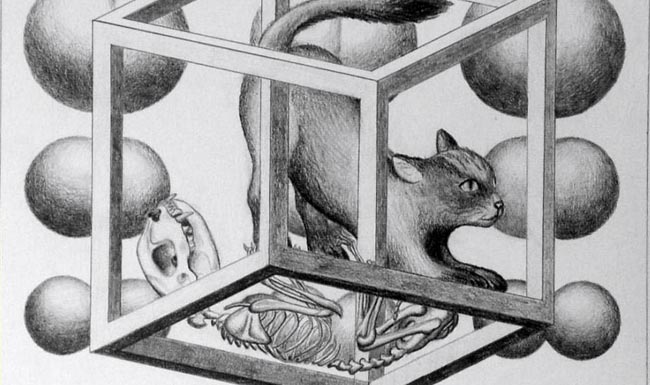
Of Cats And Cancers
In life as in quantum physics, we sometimes exist in a state of superposition. What happens when the wave function collapses?