


The Asian Scientist 100
Di Li

Institution
National Astronomical Observatories of the Chinese Academy of Sciences
Country
China
Field
Aerospace & Astronomy
Li received the Marcel Grossmann Award for his pioneering contributions in the field of fast radio bursts. Li is the first scientist in China to receive this prize for research conducted within China.
(Photo: The Paper)
AWARDS
- Marcel Grossmann Award
Related articles

Have You Seen The Future Of Medicine?
Tiny sensors, wearable health trackers and health data analysis platforms were among the technologies featured at TechInnovation 2018.
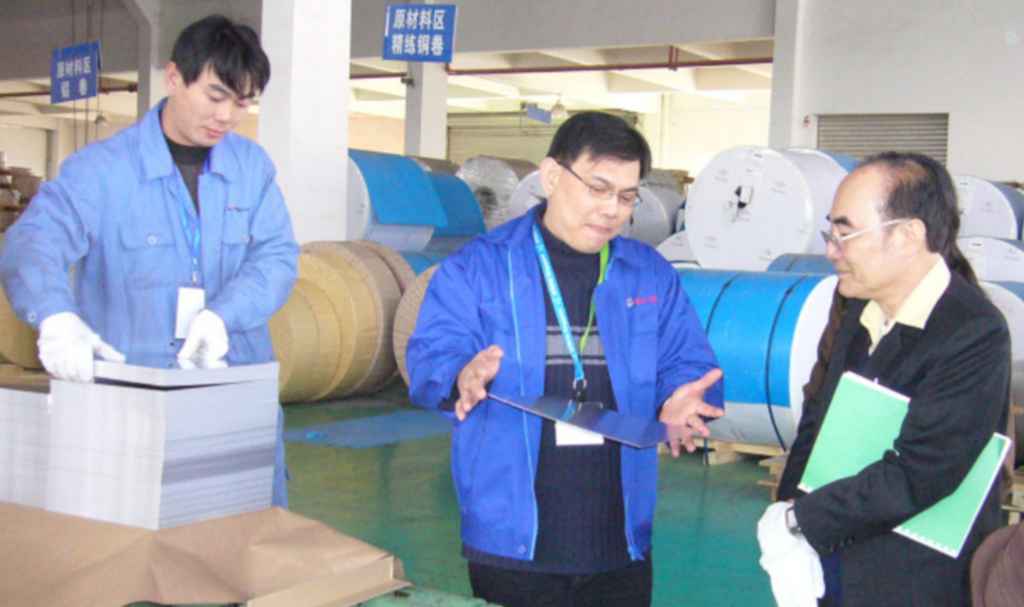
Igniting Innovation—Interview With Steven Tang Of Nico Steel
With a wealth of experience working with the best, Nico Steel encourages out-of-the-box thinking and innovative ideas to stay ahead of trends.

Mining Microalgae To Reduce Carbon Emissions
A new machine learning-powered method is speeding up how scientists study microalgal cell factories and their carbon cycling functions.

Measuring Blood Alcohol Levels Through The Ears
A new device that fits over a person's ears can measure real-time changes in blood alcohol levels through the skin.

Space Mice Reveal Why Muscles Waste Away In Space
Exposing mice aboard the International Space Station to artificial gravity has revealed the molecular mechanisms behind muscle waste.

#ExtremeWeather Updates: How Trending Posts Save Lives
Harnessing real-time conversational data from social networking platforms can provide life-saving information amidst extreme weather events.

Leveling Up To Stand Apart
With four decades of experience driving growth at leading technology corporations, IPI Innovation Advisor Bill Padfield has a wealth of wisdom for SMEs planning on launching an IPO.

Digging Up The Genetic Origins Of Inner Asia’s Mummies
Genomic analysis of the Tarim Basin mummies has revealed their origins as a local group in China's Xinjiang region, rather than a migratory population.

Sowing The Seeds Of Language
Interdisciplinary research suggests the Transeurasian language family was started and spread by a group of early farmers in China around 9,000 years ago.