


The Asian Scientist 100
Di Li

Institution
National Astronomical Observatories of the Chinese Academy of Sciences
Country
China
Field
Aerospace & Astronomy
Li received the Marcel Grossmann Award for his pioneering contributions in the field of fast radio bursts. Li is the first scientist in China to receive this prize for research conducted within China.
(Photo: The Paper)
AWARDS
- Marcel Grossmann Award
Related articles

A Wearable Battery Made From Green Tea
Wearable electronics like sports bands and smart watches could be more comfortable with the help of a green tea extract.

Silver Nanoparticles Make For Surprisingly Stretchy Conductors
Researchers have developed a printable elastic conductor that can retain high conductivity even when stretched up to five times its original length.

Light-Emitting Fibers For Wearable Displays
Scientists in Korea have developed a method to create light-emitting fabric that can be used in wearable displays.
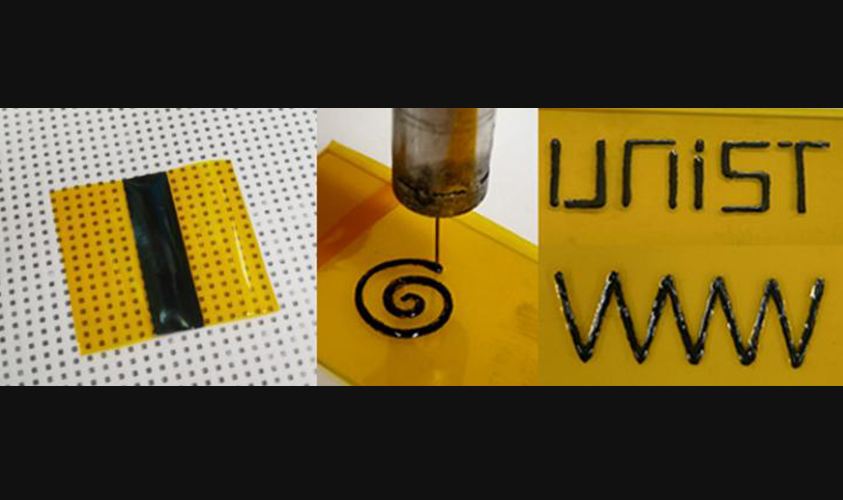
Harnessing Sunlight And Body Heat
Scientists in Korea have developed a wearable energy harvesting device that can generate electricity from sunlight and body heat.

Ultra-Thin E-Skin Turns Your Arm Into An LED Display
This flexible, transparent and easily attachable e-skin display could measure blood pressure and blood oxygen levels in the future.

Activity Trackers Unlikely To Help You Become More Active
Is your Fitbit collecting dust in your drawer? Most people stop wearing their activity trackers within a few weeks or months, researchers have found.

Carbon Nanotubes For Wearable Electronics, Anyone?
While carbon nanotubes show promise, the jury is still out on whether they can be used for manufacturing wearable electronics.

Giving NMR A Signal Boost
Scientists have modified the nuclear magnetic resonance method to collect light signals in addition to radio signals, thus broadening the utility of the technology.

Skin Flakes Stink Up Air Conditioning
Scientists in Hong Kong have discovered that skin flakes are a nutrient source for bacteria hiding inside air-conditioning units and therefore a cause of foul odors.