


The Asian Scientist 100
Di Li

Institution
National Astronomical Observatories of the Chinese Academy of Sciences
Country
China
Field
Aerospace & Astronomy
Li received the Marcel Grossmann Award for his pioneering contributions in the field of fast radio bursts. Li is the first scientist in China to receive this prize for research conducted within China.
(Photo: The Paper)
AWARDS
- Marcel Grossmann Award
Related articles

Designing A Better Fire Extinguisher For Space
Rather than spray carbon dioxide to put out fires, a fire extinguisher developed by scientists in Japan relies on a powerful vacuum.

How Insects Develop Nanopores For Sniffing
A gene, called gore-tex, is responsible for forming nanopores on the olfactory organs of insects, say researchers in Japan.
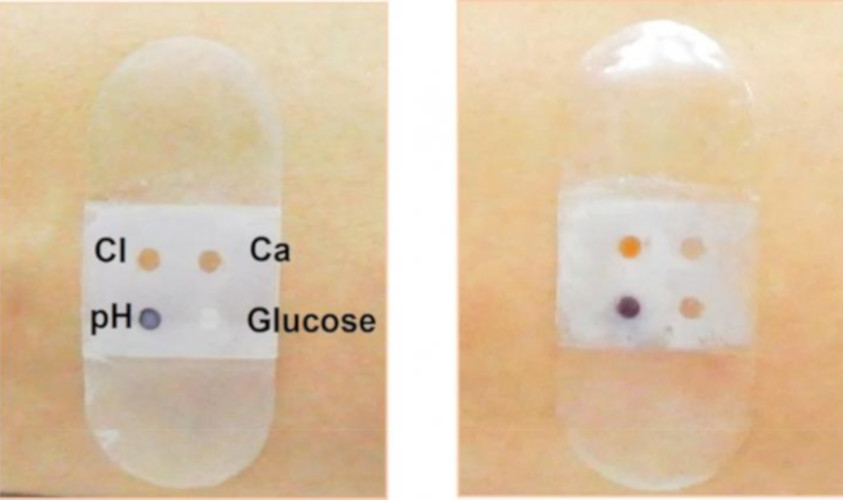
Biosensor Bandage Samples Sweat
Using their adhesive biosensor, researchers in China were able to measure the pH of sweat, as well as the concentration of glucose, calcium and chloride in the biofluid.

Dehusk Before Parboiling To Reduce Arsenic Levels In Rice
An international team of scientists showed that parboiling wholegrain rice reduced inorganic arsenic levels by 25 percent while more than doubling calcium content of the grains.

Scientists Uncover New Mongolian Dinosaur Species
Researchers in Mongolia and Canada reported that the new species sheds light on the evolution of hadrosaurs, dominant herbivores of the Late Cretaceous.

Asia’s Rising Scientists: Varisa Pongrakhananon
Find out how Dr. Varisa Pongrakhananon's research on microtubules is paving the way for potential cancer therapies.

A One-Step Process To Make ‘Green’ Plastics
An international team of scientists has developed a straightforward method to produce bio-based plastics.

Nearly Half Of Indian Teens Don’t Fare Well In School Due To Hunger
Food insecurity is linked to lower test scores in adolescents, according to an international team of researchers.

Cellular Spring Cleaning Implicated In Brain Diseases
Neurological diseases such as autism and schizophrenia are linked to impaired autophagy in neurons, say researchers in Japan.