


The Asian Scientist 100
Di Li

Institution
National Astronomical Observatories of the Chinese Academy of Sciences
Country
China
Field
Aerospace & Astronomy
Li received the Marcel Grossmann Award for his pioneering contributions in the field of fast radio bursts. Li is the first scientist in China to receive this prize for research conducted within China.
(Photo: The Paper)
AWARDS
- Marcel Grossmann Award
Related articles

Nearly 90% Of Asian Kids Suffer From Myopia, Study
Myopia now affects a starting 80-90 percent of school-leavers in major East Asian cities, such as those in China, Taiwan, Hong Kong, Japan, Singapore, and South Korea.

New Study Shows Colorful Bird Populations Evolve Faster
Researchers have found that bird species with multiple plumage color forms within in the same population, evolve into new species faster than those with only one color form.

Fastest Growing Volcano Spotted In New Zealand
Scientists have found a submarine volcano in New Zealand waters that has undergone the fastest episode of collapse and growth ever recorded at a volcano.

Drop In Pollution During 2008 Beijing Olympics Boosted Residents’ Health
Using the 2008 Beijing Olympics as their laboratory, researchers have found biological evidence that even a short-term reduction in air pollution exposure improves one's cardiovascular health.
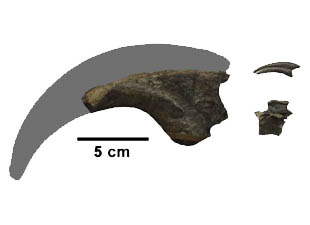
9-Meter Tall Australian T-Rex Discovered In Australia
Seven species of killer dinosaurs have been discovered in south-eastern Australia, including Australia's own T. Rex, a nine-meter-long predator with powerful arms and razor-sharp claws.
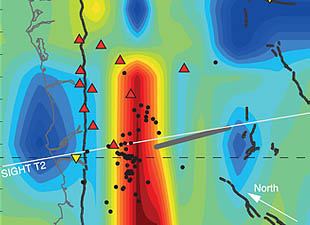
Scientists Discover ‘Creeping Quakes’ Deep Beneath New Zealand
Scientists have discovered the existence of slow, creeping earthquakes deep beneath New Zealand's Alpine Fault, which is regarded as the country’s most hazardous fault line.

Scientists Find DNA Modifications That May Increase Obesity Risk
Researchers from Sichuan Agricultural University and BGI have published a new atlas of DNA modifications that are highly associated with obesity development.

16th Century Korean Mummy Provides Clues To Hepatitis B Virus Genetic Code
Genetic analysis on a mummified Korean child with relatively preserved organs has revealed a unique hepatitis B virus genotype C2 sequence common in Southeast Asia.

Stroke Recovery Speed Linked To Brain Stimulation, Study
People with a curious condition that causes them to apply make-up on only one side of their face, or ignore food on half of their plate, are helping scientists to understand stroke recovery.