


The Asian Scientist 100
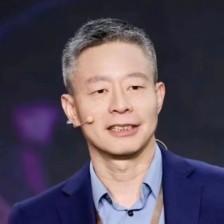
Di Li
Institution
National Astronomical Observatories of the Chinese Academy of Sciences
Country
China
Field
Aerospace & Astronomy
Li received the Marcel Grossmann Award for his pioneering contributions in the field of fast radio bursts. Li is the first scientist in China to receive this prize for research conducted within China.
(Photo: The Paper)
AWARDS
- Marcel Grossmann Award
Related articles

Sinovac’s CoronaVac Trials Show Favorable Results
Early clinical trials show that Sinovac’s COVID-19 vaccine candidate safely induces an immune response in healthy volunteers within a month of vaccination.

Profiling A Panorama Of Pathologies
By targeting nearly 400 miRNAs linked to over 20 different diseases with a single product, MiRXES’ ID3EAL PanoramiR microRNA knowledge panel proves that it’s possible to achieve more with less.

Japan’s Fugaku Keeps Crown As World’s Fastest Supercomputer
Named after Japan’s highest peak, Fugaku lived up to its reputation as the world’s most powerful supercomputer by leading the TOP500 rankings—again.

How The Venus Flytrap Remembers Without A Brain
No brain? No problem! Through changes in calcium ion concentration, the Venus flytrap can store ‘memories’ of its prey.

Mothers Pass Allergies To Babies In The Womb
Highly allergic pregnant mothers may transfer the key antibody that triggers allergic reactions to offspring in the womb.

Sensing COVID-19 In Just 30 Minutes
A test designed by scientists from South Korea can detect SARS-CoV-2 and other harmful microorganisms in about 30 minutes.
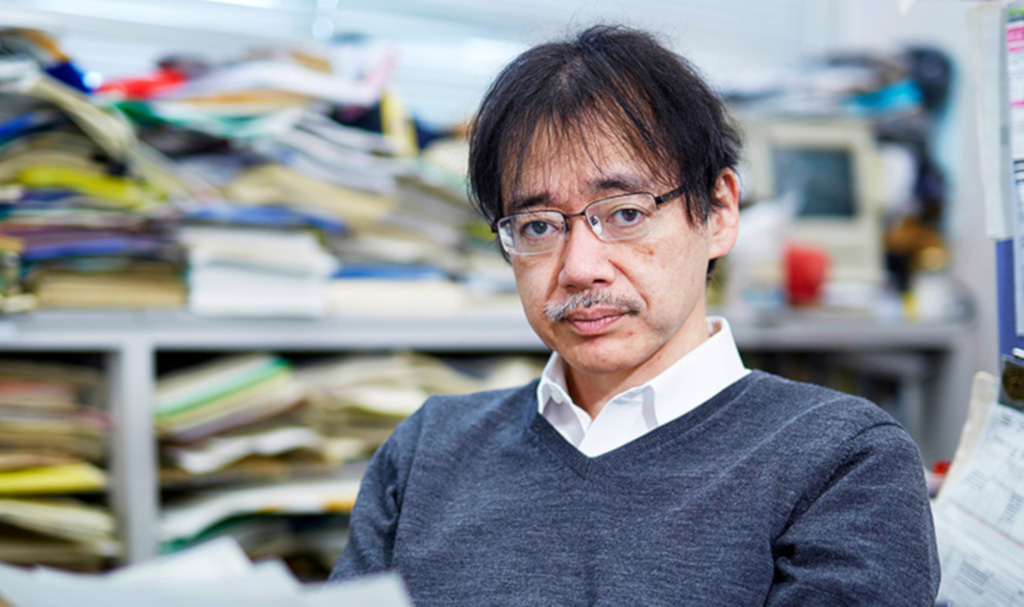
Atsushi Miyawaki Awarded 2020 Keio Medical Science Prize
Atsushi Miyawaki was co-awarded the 25th Keio Medical Science Prize for developing bioimaging technology that allows researchers to observe the cell’s most intricate details.

Small Molecules Give Vaccines A Big Boost
Small molecule libraries represent a promising source of new vaccine-boosting ingredients, scientists find.

Asia’s Scientific Trailblazers: Vivian Yam
By harnessing the unique properties of photoactive materials, Professor Vivian Yam hopes to develop processes that would utilize energy in a cheaper and more efficient manner.