


The Asian Scientist 100
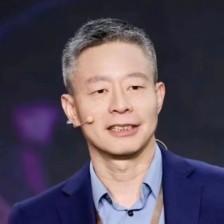
Di Li
Institution
National Astronomical Observatories of the Chinese Academy of Sciences
Country
China
Field
Aerospace & Astronomy
Li received the Marcel Grossmann Award for his pioneering contributions in the field of fast radio bursts. Li is the first scientist in China to receive this prize for research conducted within China.
(Photo: The Paper)
AWARDS
- Marcel Grossmann Award
Related articles

‘Kimchi Paradigm’ Offers Insights Into Success at Asian Women Leaders Conference
Dr. Astrid Tuminez explains how the kimchi paradigm works for successful women leaders in Asia.
China-Africa Joint Medical Research To Deepen
African scientists will take part in joint research programs under a new collaboration with China.

Genome Of ‘Sacred Lotus’ May Hold Anti-Aging Secrets
Researchers have sequenced the genome of the 'sacred lotus,' which is known from the geologic record as early as 135 million years ago, when dinosaurs roamed the Earth.

Huahai, Oncobiologics Partner On Biosimilar Monoclonal Antibodies
Oncobiologics, Inc. and Zhejiang Huahai Pharmaceutical Co., Ltd have agreed to jointly develop, manufacture, and commercialize biosimilar monoclonal antibody products.
Gene For Bones & Connective Tissue Disorders Identified
Researchers have identified a gene that when mutated is responsible for a spectrum of disorders affecting the bones and connective tissue.

Dz13 Drug Targets Skin Cancer In Clinical Trial
A new class of drug has been found to be safe in a clinical trial of patients with the common skin cancer, basal-cell carcinoma.

Clinical Trial Uses South Pacific Plant Kava To Treat Anxiety
An Australian clinical study has shown that Kava, a medicinal South Pacific plant, significantly reduced the symptoms of people suffering from anxiety.

ScinoPharm, Coland Holdings To Co-Develop Generic Oncologic Drugs
ScinoPharm Taiwan Ltd. and Coland Holdings Ltd. announced this week a strategic alliance to develop a series of generic oncological drugs for Mainland China.

Sagent Pharma To Acquire Remaining Interest In Chengdu Kanghong Pharma
U.S. biotech Sagent Pharma will acquire the remaining 50 percent interest of the Kanghong Sagent (Chengdu) Pharmaceutical Corporation Limited joint venture.