


The Asian Scientist 100
Can Li

Institution
University of Hong Kong
Country
Hong Kong
Field
Engineering
Li is a recipient of the 2023 Croucher Tak Wah Mak Innovation Award for his research exploring the limitations of digital computers in performing tasks accomplished by the human brain, including recognising faces, reasoning based on vague information, and learning from experience.
(Photo: University of Hong Kong)
AWARDS
- 2023 Croucher Tak Wah Mak Innovation Award
Related articles

Monkeys Use Stone Tools To Crack Shellfish
Most Burmese long-tailed macaques are able to use stone tools to crack open shellfish, study shows.
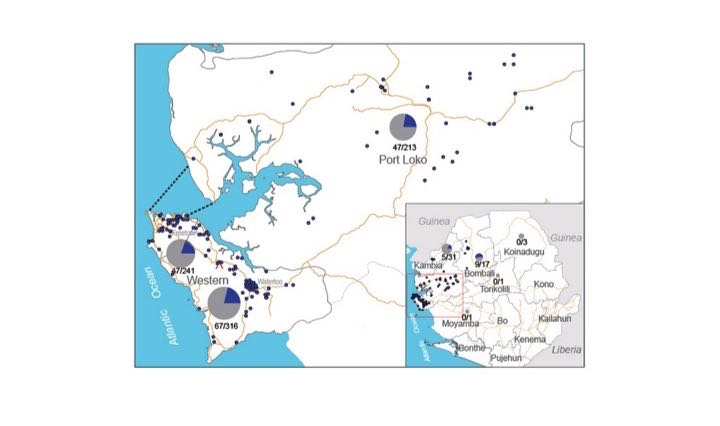
Mapping The Evolution Of The 2014 Ebola Outbreak
Researchers have sequenced 175 full-length Ebola genomes, detailing the evolution of the virus during the 2014 outbreak.
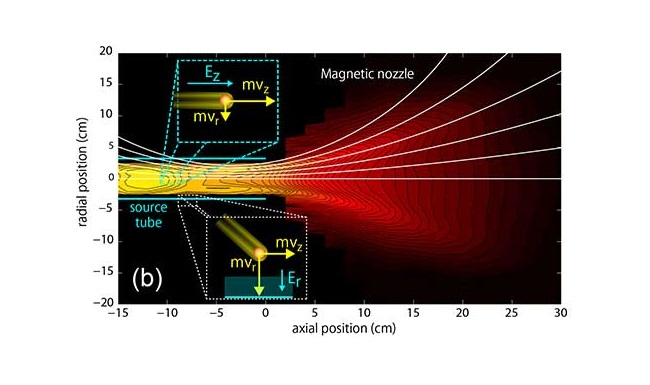
Electrodeless Thrusters For Space Travel Tested
Researchers are one step closer to long-term space travel with the testing of an electrodeless plasma thruster.

Exploring The Uncharted Territory Of The Nuclide Table
The successful measurement of 110 radioactive nuclei—including 40 that had never been measured before—sheds light on the mysterious r-process.

‘Waking Up’ Fetal Hemoglobin To Treat Blood Disorders
Researchers have demonstrated that gene editing can be used to re-introduce a fetal form of hemoglobin, thereby treating sickle cell anemia.

Unapproved Fixed-Dose Drugs Pose Problem In India
Nearly 70 percent of anti-depressant FDCs bought in India between 2011 and 2012 were not approved by the Central Drugs Standard Control Organization.

Middle Class Budgeting: Thrifty & Traditional
More interactive and imaginative mobile apps could help families budget better, researchers say.
Prima BioMed Announces Japanese Collaboration
Prima BioMed and Japanese partners NEC and Yamaguchi University are investigating the use of an adjuvant for a potential liver cancer vaccine.

Does Giving Rewards Solve Social Dilemmas?
Second order rewards, where individuals are incentivized to contribute to the incentives of others, are necessary for cooperative groups, scientists say.