


The Asian Scientist 100
Can Li

Institution
University of Hong Kong
Country
Hong Kong
Field
Engineering
Li is a recipient of the 2023 Croucher Tak Wah Mak Innovation Award for his research exploring the limitations of digital computers in performing tasks accomplished by the human brain, including recognising faces, reasoning based on vague information, and learning from experience.
(Photo: University of Hong Kong)
AWARDS
- 2023 Croucher Tak Wah Mak Innovation Award
Related articles

Distinguished Scientists Say These Are The Grand Challenges For Science
From harnessing artificial intelligence to understanding our origins, a panel of distinguished scientists outlined the grand challenges for science in the 21st century.

Parenting: The Good, The Bad & The Intrusive
A recent study has shown that intrusive parenting leads to kids that were overly critical of themselves. So how much should a parent’s expectations influence their child’s learning journey?

Why Are Law And Medicine So Popular In Singapore?
Being a doctor or a lawyer is a popular aspiration for many Singaporeans, and earning power is just one of many reasons behind it.

Should Asian Universities Offer The US-style Liberal Arts Degree?
Asia is starting to embrace the American style liberal arts education, writes Daniel Soo, a third-year student from Yale-NUS, Singapore's first liberal arts college.

Images From Space Show Asia’s Breathtaking Beauty (VIDEO)
These images taken from space showcase the breathtaking beauty of Asia’s diverse landscapes.

Can ASEAN Achieve Universal Healthcare? (VIDEO)
Achieving universal health coverage is a goal that many countries strive towards. Will ASEAN see a day where everyone—including rural dwellers—has full access to affordable quality healthcare?

China’s Homegrown 100 Pflops Supercomputer Leads Top500 List
China’s Sunway TaihuLight supercomputer, which can achieve a peak performance of up to 125 petaflops, is officially the world's fastest.
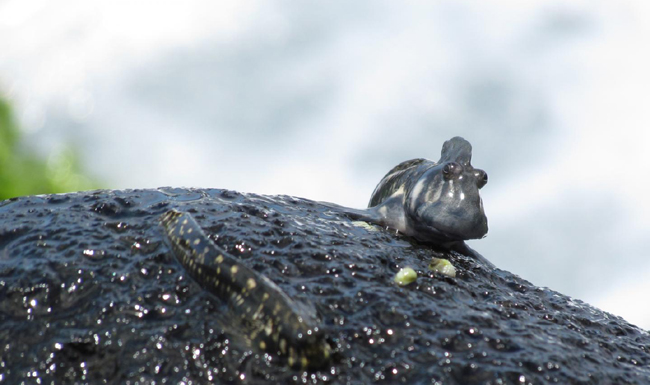
Fish Out Of Water Are More Common Than You Think
Fish evolved the ability to live on land many times, according to a study that challenges the perception that this extreme lifestyle shift was likely to have been a rare occurrence.

Tick Tock: How ‘Clock’ Genes Control Our Circadian Rhythm
Scientists can now simultaneously monitor in real-time the switching on and off of circadian ‘clock’ genes and their effects on mouse behavior.