


The Asian Scientist 100
Can Li

Institution
University of Hong Kong
Country
Hong Kong
Field
Engineering
Li is a recipient of the 2023 Croucher Tak Wah Mak Innovation Award for his research exploring the limitations of digital computers in performing tasks accomplished by the human brain, including recognising faces, reasoning based on vague information, and learning from experience.
(Photo: University of Hong Kong)
AWARDS
- 2023 Croucher Tak Wah Mak Innovation Award
Related articles

NTU Partners Japanese Institutions In Emerging Research Fields
NTU, Kobe University and Nippon Shokubai have embarked on research partnerships in the emerging fields of biomedical materials and data science.

The Medaka Fish’s Fear Response: Same Same But Different
The way the medaka fish responds to danger could also give scientists a better understanding of panic disorders and fear in humans.

Metabolite That Makes Colorectal Cancer More Aggressive Identified
A metabolite called D-2-hydroxyglutarate has been found to make colorectal cancer cells more invasive.

7 Must-Read Stories In November 2016
Gut-inspired batteries, dengue vaccines and future-proof jobs were popular reads last month.

When Light Interacts With Atoms, Shape Matters
Scientists in Singapore have shown that a photon’s shape affects how it is absorbed by a single atom.

Paving The Way For Light-Based Circuits
We are one step closer to computers that process information through light now that researchers have built optical transistors, multiplexers and signal detectors.

As The Planet Heats Up, Fairy-Wrens Lay Larger Eggs
Superb fairy-wrens have the ability to change the size of the eggs they lay, as larger chicks have a better chance of survival in hotter environments.

Guess What, Parents? Toddlers May Know When You’re Lying
Toddlers as young as two-and-a-half years old can understand when others have thoughts that are different from theirs, and can process false beliefs.
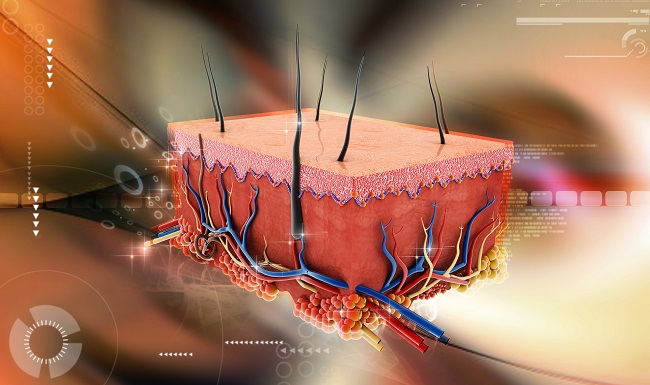
Here’s Why Our Skin Doesn’t Leak
Epidermal cells look like a flattened version of a tetrakaidecahedron—a 14-sided, 3D solid made out of six rectangular and eight hexagonal sides.