


The Asian Scientist 100
Can Li

Institution
University of Hong Kong
Country
Hong Kong
Field
Engineering
Li is a recipient of the 2023 Croucher Tak Wah Mak Innovation Award for his research exploring the limitations of digital computers in performing tasks accomplished by the human brain, including recognising faces, reasoning based on vague information, and learning from experience.
(Photo: University of Hong Kong)
AWARDS
- 2023 Croucher Tak Wah Mak Innovation Award
Related articles
India Embraces Eliminate Dengue’s Wolbachia Program
India joins Brazil, Australia, Indonesia, Vietnam and Colombia to become the sixth country in the Eliminate Dengue Program using the Wolbachia method.

Promiscuous Lamprey Engage In Sham Mating
Female lamprey can selectively release their eggs to the best mate during sham mating, researchers say.
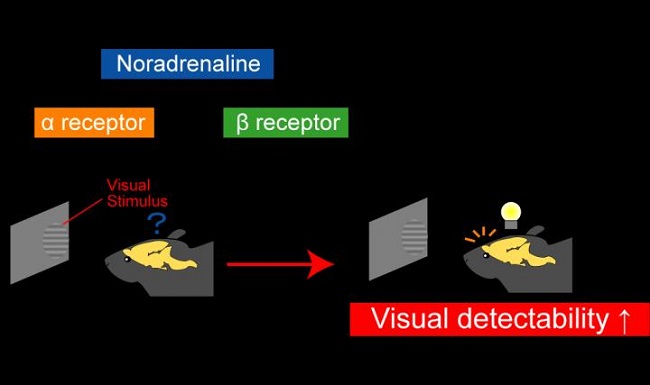
Noradrenaline Improves Vision In Rats
Noradrenaline, a hormone and a neurotransmitter, could improve vision by targeting a very small subgroup of neurons or neural circuits in the brain.
Searching For Dark Matter With A Donut-Shaped Magnet
Scientists say that donut-shaped magnets can also look for axions, one of the particle candidates for the mysterious dark matter.

Takeda Donates US$1 Million For Cancer Research
Japanese pharmaceutical Takeda has donated US$1 million to the Koch Institute for Integrative Cancer Research at the Massachusetts Institute of Technology.

Fluctuating Sea Levels Threaten Southeast Asia’s Coastal Dwellers
Sea levels rose and fell two feet around 6,000 years ago in Southeast Asia, even without human-induced climate change.
Using Artificial Caterpillars To Test The ‘Enemies Hypothesis’
In tropical forests, plant diversity, plant species composition and plant structures affect the top-down control of herbivorous insects.
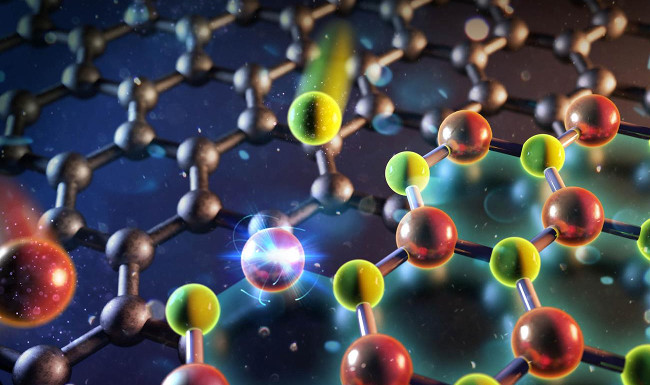
The World’s Thinnest Oxide Semiconductor
This oxide semiconductor is just one-atom thick, opening up new possibilities for flexible, wearable technologies.

How Do 2D Materials Crack?
To understand how thin two dimensional materials crack, we must go beyond existing theory, scientists say.