


The Asian Scientist 100
Can Li

Institution
University of Hong Kong
Country
Hong Kong
Field
Engineering
Li is a recipient of the 2023 Croucher Tak Wah Mak Innovation Award for his research exploring the limitations of digital computers in performing tasks accomplished by the human brain, including recognising faces, reasoning based on vague information, and learning from experience.
(Photo: University of Hong Kong)
AWARDS
- 2023 Croucher Tak Wah Mak Innovation Award
Related articles

Protecting The Mobile Ecosystem
As technology evolves, so too do the threats against it; mobile devices and the Internet of Things are now prime targets for cyber-attacks. How are security solutions keeping pace?
The Mystery Of The Missing Women Scientists
There are simply not enough women taking up careers in science, writes Zaria Gorvett, and inequalities in the hiring process, career progression, and salary may be to blame.

Brain Doping: A Quiet Revolution
The use of ‘smart drugs,’ or nootropics, to enhance mental performance is becoming more widespread, writes Zaria Gorvett. But should we be prescribing them to our military... and children?

China’s Coral Crisis
Coral abundance around mainland China and Hainan Island has declined by at least 80 percent over the past 30 years. Can anything be done to stop this trend?

When Crushed, Light-Emitting Compounds Reveal Their True Colors
Scientists have developed a series of luminescent compounds that change the color of emission upon mechanical stimulation.

Smartphone Batteries Go Solar To Light Rural Homes
Recycled smartphone batteries could power solar LED lamps in rural communities—and create jobs in the process.

The Real Danger Of Exploding Smartphones
Got a smart phone in your pocket? Watch out. Not only could it explode, but it could also release toxic gases while at it.

Could A Seawater Battery End Our Dependence On Lithium?
Researchers in South Korea have developed a way to speed up reactions in saltwater-powered batteries.
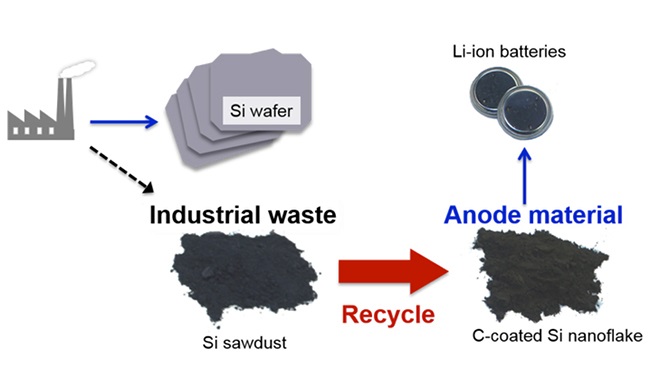
Smashing Silicon To Make Lithium Batteries
Pulverized waste silicon be recycled into a high-performance anode material for lithium-ion batteries.