


The Asian Scientist 100
Can Li

Institution
University of Hong Kong
Country
Hong Kong
Field
Engineering
Li is a recipient of the 2023 Croucher Tak Wah Mak Innovation Award for his research exploring the limitations of digital computers in performing tasks accomplished by the human brain, including recognising faces, reasoning based on vague information, and learning from experience.
(Photo: University of Hong Kong)
AWARDS
- 2023 Croucher Tak Wah Mak Innovation Award
Related articles

Science & Tech Leaders Discuss Cohesion In ASEAN
At a recent ASEAN meeting in Indonesia, science & technology delegates convened to discuss new initiatives across the region.
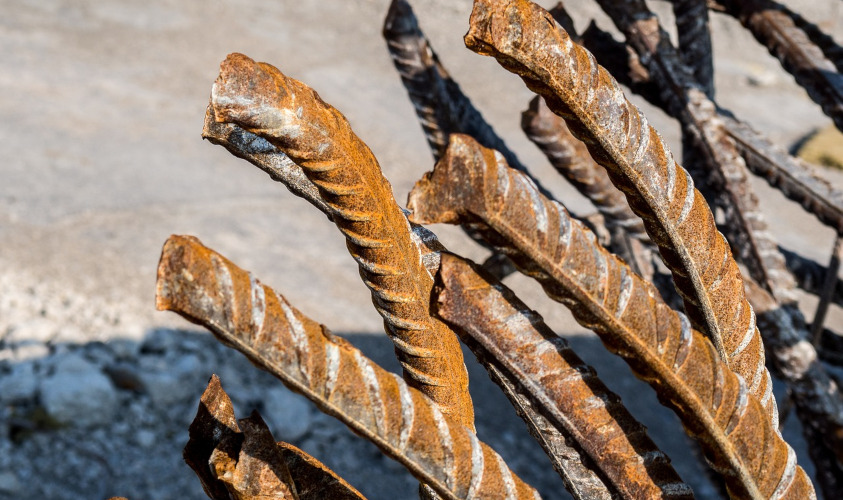
Concrete Doped With Microbes Gains Durability
Scientists in Japan have found that the rate of corrosion of steel bars in concrete can be slowed by embedding aerobic bacteria within cement.

It’s Morphing Time! How The Dengue Virus Evades Detection
Dengue virus becoming resistant to vaccines and therapeutics due to mutations in specific protein, study shows.

Taiwanese Study Shows Diet Is Linked Across Generations
Understanding how dietary habits are connected through the generations could have valuable benefits for community health, according to a new study.

5 Must-Read Stories In November 2013
Here are five must-read stories from our November 2013 magazine.

Thinking Like An Indian Parent (Part 1)
Professor Pushkar of BITS Pilani-Goa explains why Indian parents are so interested in sending their children to engineering colleges.

3D Printing Gets A Boost With Data-Driven Design
Combined analysis of geometry, topology, structure and material data can be used to optimize the designs of 3D printed products, say researchers in Singapore.

Akira Yoshino: Inventing The Lithium Ion Battery
Dr. Akira Yoshino, father of the modern lithium ion battery and 2018 Japan Prize laureate, talks to Asian Scientist Magazine about energy, the future of cars and how curiosity makes a career.

Saving The Cao Vit Gibbon, The Second Rarest Ape In The World
In the 1960s, the cao vit gibbon was declared extinct. But in 2002, the animals turned up along Vietnam’s remote northern border.