


The Asian Scientist 100
Yu Min
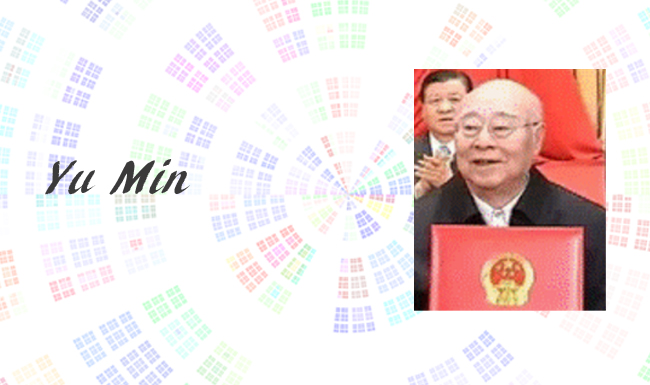
Academician
Institution
Chinese Academy of Sciences
Country
China
Field
Physics
Yu was given the 2014 National Highest Science and Technology Award, China’s top science award, for his research into hydrogen bombs.
(Photo: Peking University)
Related articles

You Are Not Just What You Eat
To what extent can we blame people for being obese and what are the other factors in play? Our columnist Annabel Tan finds out.
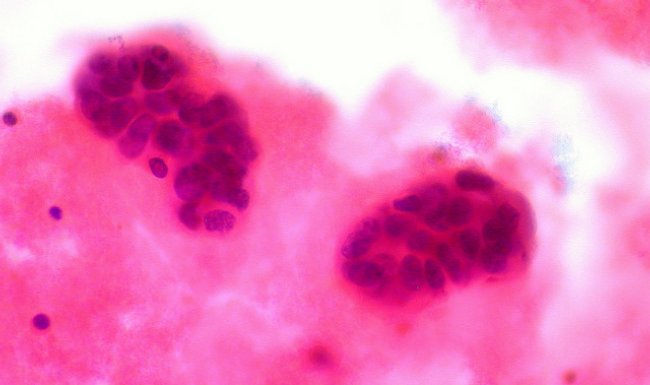
Marker For Aggressive Breast Cancer Identified
The gene RASAL2 could help identify triple negative breast cancers and inform treatment options for the aggressive disease.
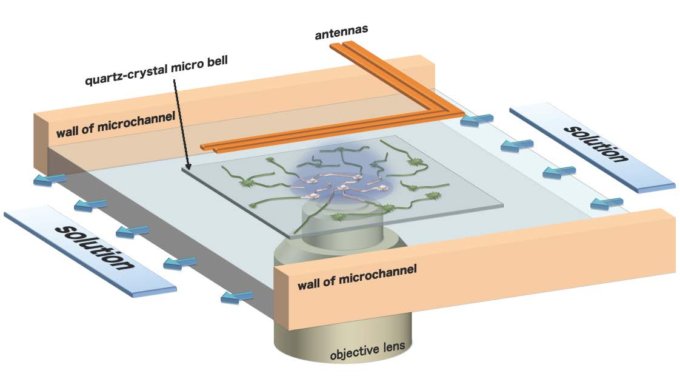
Crystal Clear View Of Ultrafast Protein Reactions
A new technique to observe protein reactions at the molecular scale has shed light on the progression of Alzheimer's disease.

The Future Of Food
Technological advancements may have saved us once during the Green Revolution, but will they be able to deal with the food challenges of tomorrow? Sim Shuzhen investigates.

How Do Cells Measure Length?
Scientists have identified the protein complex that cells use as a molecular ruler to measure lengths with nanometer precision.

Moving From Panic To Avoidance
Brain activity in a region known as the habenula is required for learning to avoid threatening situations in zebrafish.

The Pathways Of Pain
A study in flies has identified two mutually-interdependent proteins involved in regulating pain responses.

Melting From The Outside In
A mathematical model of melting shows that changing from a solid to a liquid state is much more complicated than previously thought.

Sex Regulation By RNA Scissors
In persimmons, a battle of the sexes is waged using RNA scissors encoded on the Y chromosome that snip up female-determining genes.