


The Asian Scientist 100
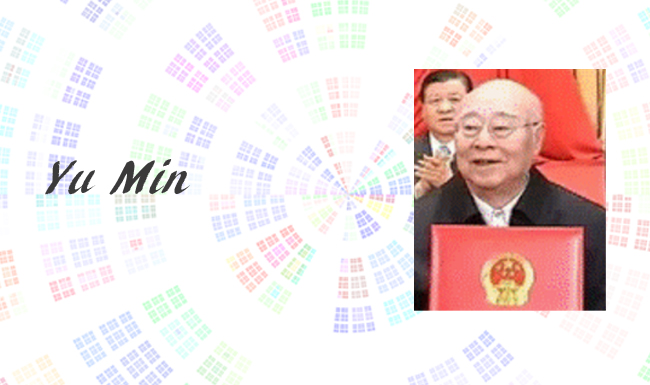
Yu Min
Academician
Institution
Chinese Academy of Sciences
Country
China
Field
Physics
Yu was given the 2014 National Highest Science and Technology Award, China’s top science award, for his research into hydrogen bombs.
(Photo: Peking University)
Related articles

How Cells Relieve DNA Replication Stress
Scientists in South Korea have identified a mechanism by which mammalian cells prevent DNA replication from stalling due to internal or external stressors.

Smart Polymer Lights Up Under Stress
Scientists in Japan have developed a luminescent polymer that can quickly and sensitively detect stress.

2019 Newton Prize Winners Announced
The Newton Prize aims to encourage new international collaborations to address some of the world’s most pressing challenges.
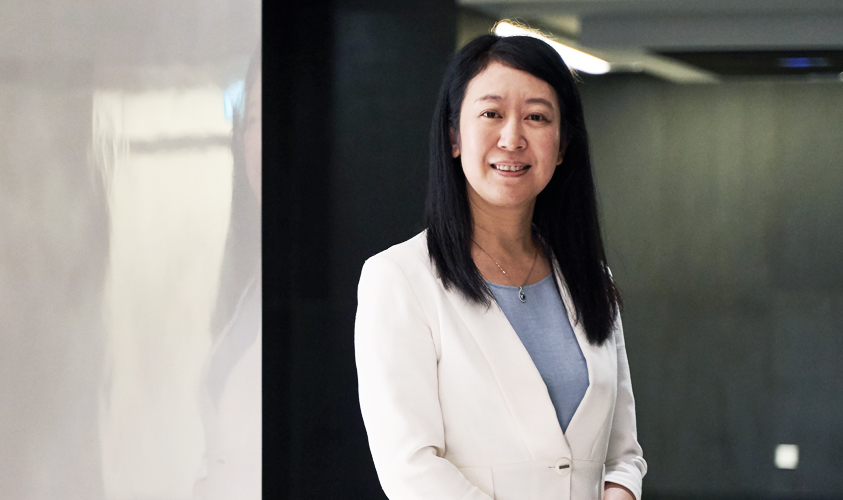
The Race To Exascale
Professor Lu Yutong shares how China’s past experiences have shaped the country’s supercomputing efforts, and calls for more collaboration among Asian countries.
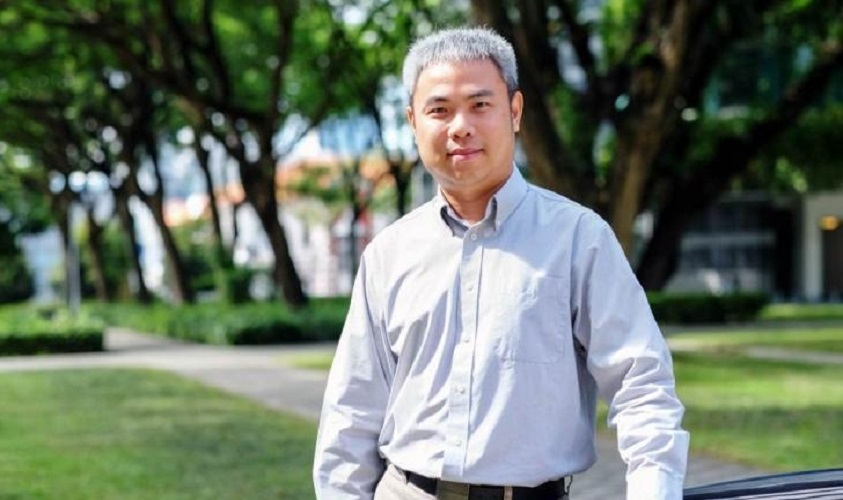
Making App Security A Priority
SMU Associate Professor Gao Debin has received two grants focused on improving the security of programs executing on desktop computers, servers and mobile devices.
Winners Of The Asian Scientist Writing Prize 2019 Announced
A total of 26 winners received their prizes at the Asian Scientist Writing Prize 2019 held at the Science Centre Singapore.
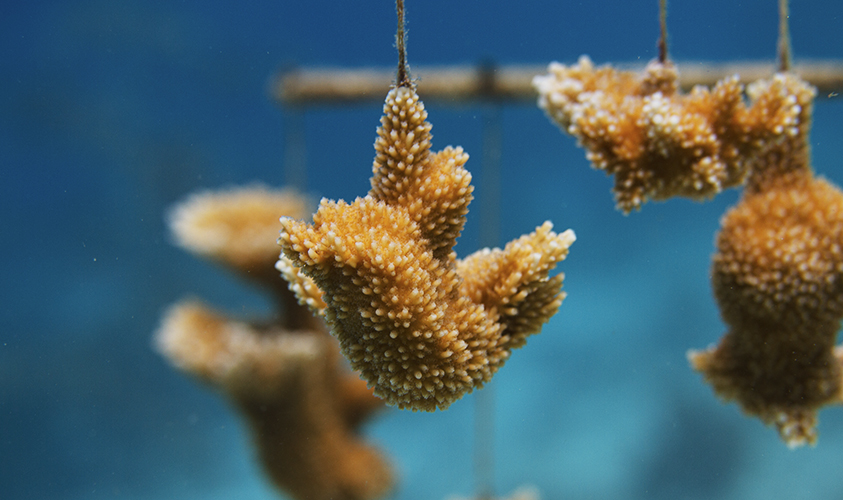
Corals: The Turn Of The Tide
Corals are dying but science could be able to help them fight back from the brink.

Origami Arms Extend The Reach Of Drones (VIDEO)
A robotic arm that is stiff when it needs to be but soft enough to fold up on demand could make drones even more useful.

Wan Yue First Singaporean To Win Branco Weiss Fellowship
Dr. Wan Yue has been awarded the Branco Weiss Fellowship for her work using RNA to tackle antimicrobial resistance.