Nancy Ip

Dean of Science

Institution
Hong Kong University of Science and Technology (HKUST)

Country

Field
Biomedical Sciences

In 2015, Ip was elected as foreign associate of the US National Academy of Sciences. An academician of the Chinese Academy of Sciences and the dean of science at Hong Kong University of Science and Technology (HKUST), Ip has furthered our understanding into brain development and synaptic plasticity, and dysregulation in neurological disorders such as Alzheimer’s and Parkinson’s diseases.

Awards include the National Natural Science Awards, China’s highest honor in the natural sciences, and the L’Oréal-UNESCO for Women in Science Award.

(Photo: Nancy Ip/HKUST)


Related articles

Targeted Delivery Of CRISPR Into Bone Tumors

Scientists in Hong Kong have developed a method to carry the CRISPR/Cas9 gene editing system into bone tumors, thus enabling therapeutic gene editing.

Sperm Grown On Mice Produce Live Monkeys

Six healthy monkeys have been born using sperm grown from testis tissue transplanted onto the backs of mice.

A Sticky Upgrade For Paper-Based Tests

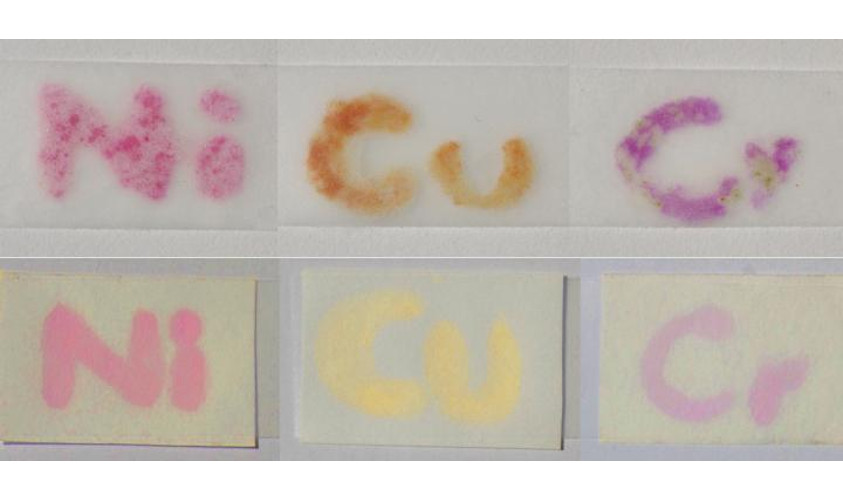
Scientists have developed a method to test for metal ions in both liquid and solid samples using paper and adhesive tape.

Winners Of Malaysia’s 2017 L’Oréal-UNESCO Fellowship Announced

Ho Weang Kee, Jasy Liew Suet Yan and Teh Su Yean have won this year’s L’Oréal-UNESCO For Women in Science Fellowship Awards in Malaysia.

Diagnosing Colorectal Cancer Without Biopsies

A team of researchers in Japan have developed an imaging method to diagnose colorectal cancer without taking a biopsy.

Celebrating Excellence in Asia With The Asian Scientist 100
These rising stars and veterans hail from diverse sectors in industry and academia, but they all share in one common mission—to make tomorrow a better place for you and me.

Tackling Autism By Tweaking Diets

A simple change of diet that restores the balance of gut bacteria may help to alleviate the symptoms of autism, researchers say.

How Uterine Fluid Informs The Fetus

Uterine fluid, which contains molecules that can reprogram a developing embryo, could one day be used as a biomarker of fetal health.

Breastfeeding May Reduce Risk Of Heart Disease

Breastfeeding benefits mums as well as babies, potentially lowering the mother’s risk of cardiovascular disease and stroke.