Nancy Ip

Dean of Science

Institution
Hong Kong University of Science and Technology (HKUST)

Country

Field
Biomedical Sciences

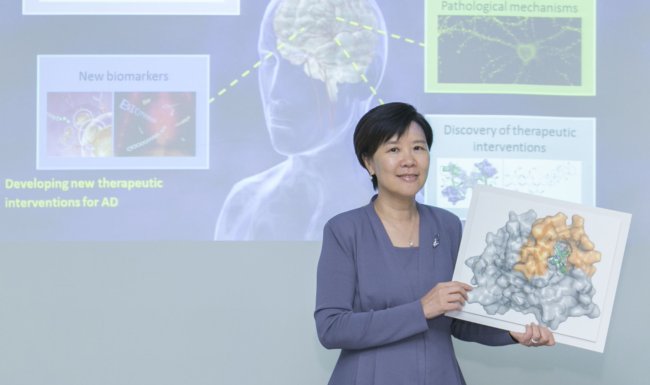
In 2015, Ip was elected as foreign associate of the US National Academy of Sciences. An academician of the Chinese Academy of Sciences and the dean of science at Hong Kong University of Science and Technology (HKUST), Ip has furthered our understanding into brain development and synaptic plasticity, and dysregulation in neurological disorders such as Alzheimer’s and Parkinson’s diseases.

Awards include the National Natural Science Awards, China’s highest honor in the natural sciences, and the L’Oréal-UNESCO for Women in Science Award.

(Photo: Nancy Ip/HKUST)


Related articles

Yes, The ‘Pregnancy Waddle’ Exists, Say Researchers

The study used 3D motion capture to create biomechanical models of pregnant women and show why they walk differently.

The Women Of The Asian Scientist 100 (VIDEO)
From the co-discoverer of carbon nanotubes to the first Chinese woman to win a Nobel Prize, here are the 15 female scientists featured on the AS100 list.

A Rainbow Bright Way Of Detecting Arsenic

This nanomaterial-based fluorescent test paper detects levels of arsenic in drinking water in colors ranging from red to cyan.

Protein Found To Slow Onset Of Alzheimer’s

The protein interleukin-33, which regulates immune function, has also been found to reduce deposits of beta-amyloid plaques in the brains of mice.

Conceiving Many World Firsts

Professor Ariff Bongso has been at the forefront of both in vitro fertilization and stem cell research.

Fatty Acid Balance During Pregnancy Affects Offspring’s Brain

Fish, an excellent source of omega-3 fatty acids, have been found to have a beneficial effect on fetal brain formation within the womb.

Betting Big On The Brain

Professor Nancy Ip blends the latest technologies with the ancient wisdom of traditional Chinese medicine, all in the name of solving challenges such as Alzheimer’s and other neurological disorders.

Editor’s Note – January 2016 Print Magazine

Asian Scientist is proud to present the Asian Scientist 100, the first ever listing of scientists in Asia who have made an impact in the past year, in the January 2016 print magazine!

Exercise Helps Mice Escape Side Effects of Epilepsy Drugs

Having access to an exercise wheel seems to protect mice from the negative effects of prenatal exposure to antiepileptic drugs.