


IN THE LAB
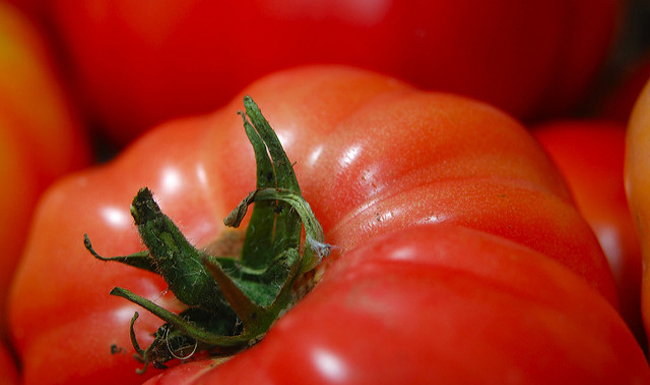
Why Do Tomatoes Smell ‘Grassy’?
Tomatoes could be made to smell less ‘grassy’ by switching on genes that reduce the levels of a compound called 3-hexenal.
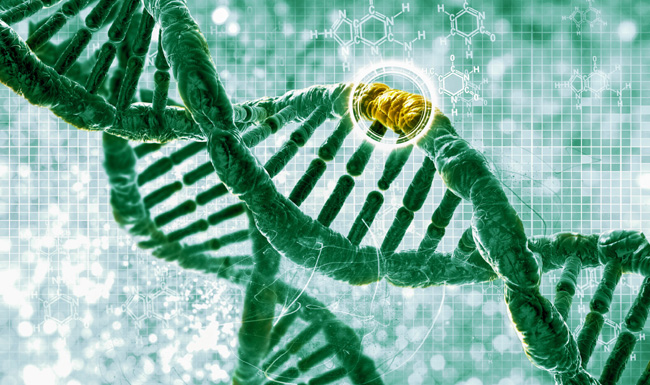
How A Molecular Switch For Bone Formation Works
The transcriptional regulator Sp7/osterix could be the key to unlock the blueprint of bone formation in vertebrates, according to a genome-wide study.

How To Reduce Drag Forces: Study Windswept Daffodils
A daffodil's uniquely-shaped, twisted stem enables it to turn away from wind and protect its petals, and could inspire better bridge design.

Overlapping Probe Allows Detailed Scans Of Heart Vessels
By overlapping the sound and optical waves, researchers have made artery imaging technology that is much more sensitive and detailed.
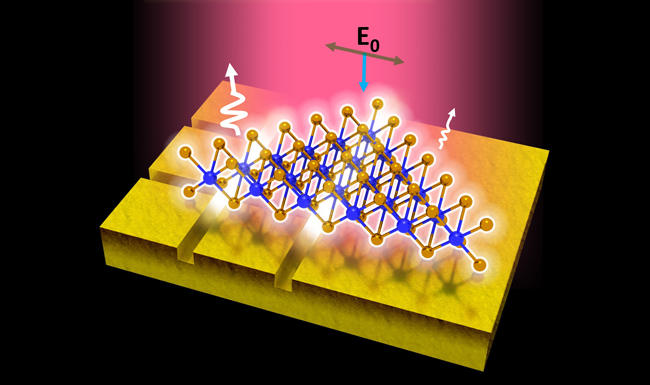
Tiny Gold ‘Trenches’ Make Nanomaterial 20,000 Times Brighter
Researchers have greatly increased the ability of tungsten diselenide, a type of semiconductor, to convert light to electricity.

Tibetan Fossils Reveal The Origins Of Ice Age Mountain Sheep
Fossils of sheep horns found in the Himalayas support the idea that modern mountain sheep first evolved from extinct Tibetan species.

3D Map Of 3,000 Distant Galaxies Prove Einstein Right
Einstein’s hundred year old theory of relativity still holds, according to a 3D map of 3,000 galaxies 13 billion light years from Earth.

B Cells Found To Contribute To Sepsis
B cells, better known for producing antibodies, have now been found to also play an important role in the inflammatory response against bacterial toxins during sepsis.

Macromolecule Packs Three-Hit Combo Against Viruses
Just a small amount of this macromolecule could potentially neutralize an entire room infected with viruses such as Ebola.


