


IN THE LAB

Bilingual Babies Learn Languages Faster (VIDEO)
Contrary to widely held beliefs, babies are not hindered by learning two languages—in fact, they learn both languages faster than monolingual babies.

Testing Knee Replacements With Egg Proteins
Albumin and globulin could prove to be effective lubricants when testing replacement hip and knee joints in a laboratory setting.
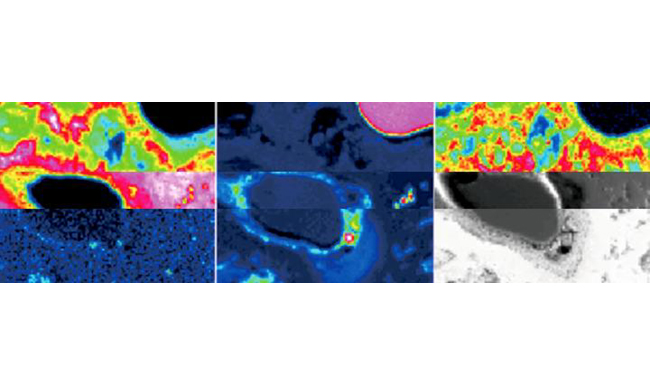
Boron Maps Could Help Guide Fukushima Decommissioning
By mapping the distribution of boron compounds in molten debris, researchers can determine the re-criticality risk of the nuclear reactor in the plant.
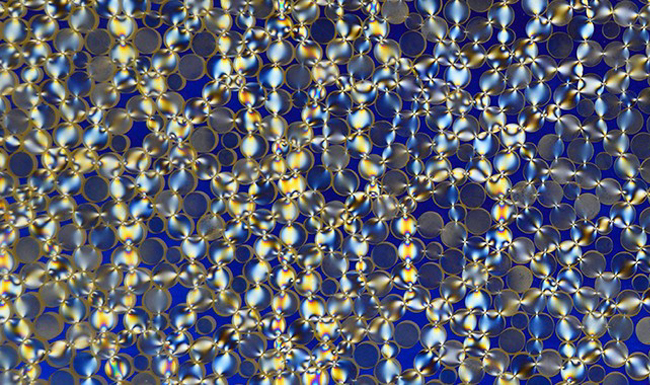
Researchers Find Link Between Disorder And Metastability
Using photo-elastic disks, researchers have shown that it is possible to detect and quantify metastability induced by disorder in a granular material.

Does Size Matter? Not To Mosquitofish, It Doesn’t
Contrary to previous studies—and popular belief—genital size does not affect a male mosquitofish's ability to attract a mate.
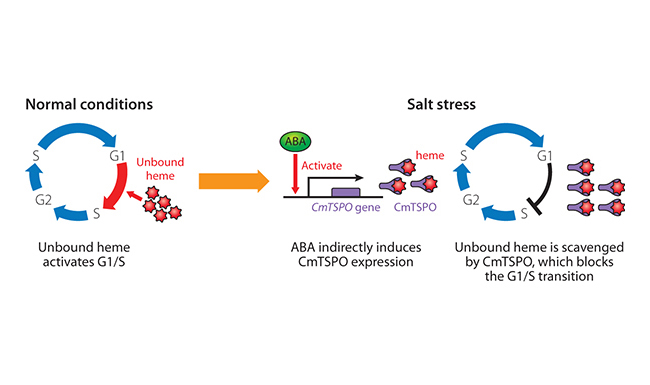
How Algae Survive In Salty Water
Even algae use abscisic acid to regulate their response to salt stress, scientists find.

Rubber Plantations Contribute To Reduced Ant Biodiversity
At a rubber plantation in China, researchers not only found a striking decrease in the number of ant species, but also in the ants’ functional and phylogenetic diversity.

Researchers Develop Haploid Embryonic Stem Cells
The 'half strength' genome of the haploid stem cell line could help researchers better understand the function of genes.

Type Ia Supernovae Have ‘Reserve Tank’ Of Radioactive Fuel
When they explode, Type Ia supernovae produce radioactive cobalt-57 which powers their explosions for three times longer than previously thought.


