


IN THE LAB

World’s Oldest Ground-Edge Ax Found In Australia
Archaeologists in western Australia have unearthed fragments of the world’s oldest-known ground-edge ax, dating back to between 46,000 and 49,000 years ago.

Melatonin Suppresses Activity Of Brain Tumor Stem-Like Cells
The ‘sleep hormone’ melatonin directly targets stem-like cells of glioblastomas by altering their biology and inhibiting their ability to multiply.

Male Pheromone Makes Mice More Aggressive
ESP1 not only promotes sexual behavior in females, but acts on males as well—and even the mouse secreting it.

Black Carbon Contributes To Global Warming
Particles produced from incomplete fossil fuel combustion and biomass burning go through a stage where they absorb more light, contributing to global warming.

Scientists Develop Solid CO2 Sorbents With High Surface Area
Thanks to its morphology, fibrous nanosilica would allow for better carbon capture capacity, kinetics and recyclability.

Coral DNA Reveals How Well They Deal With Stress
Corals that have a better capacity to deal with environmental stressors, such as bleaching, can be identified from their individual genetic makeup.

A Bird’s Eye View Of Ancient Human Migration
Even when no genetic information is available, the prehistoric movements of people can be simulated using current topographical satellite data.
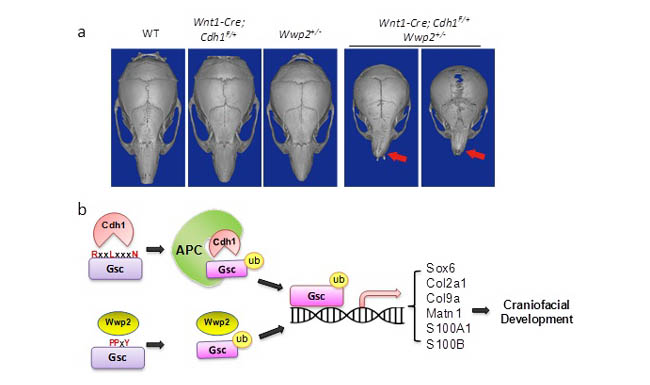
Two Genes Linked To Skull Abnormalities Identified
Mutations in two genes—Cdh1 and Wwp2—have been shown to cause facial malformation in mice.

The Art And Science Of Japanese Porcelain
The sizes of mineral and glass powder particles play an important role in color quality when producing akae, a type of treasured Japanese porcelain.


