


IN THE LAB

Yes, The ‘Pregnancy Waddle’ Exists, Say Researchers
The study used 3D motion capture to create biomechanical models of pregnant women and show why they walk differently.
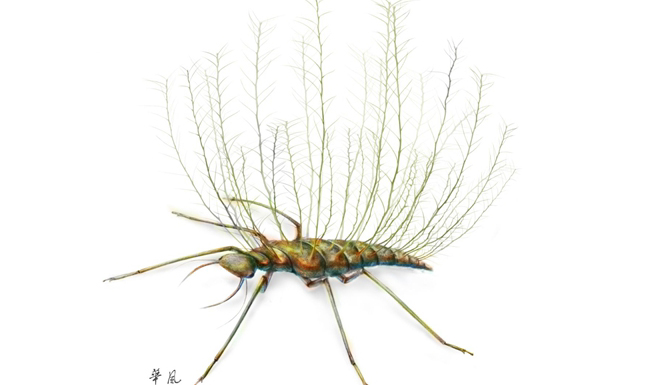
Insect Camouflage Behavior Dates Back To The Cretaceous
Fossils of green lacewings and other insects dating back to the mid-Cretaceous show how they evolved to carry debris as camouflage.

The Genetic Dance Of Corals & Algae
In the very early stages of coral symbiosis—four hours, to be exact—algae induces significant changes in coral gene expression.
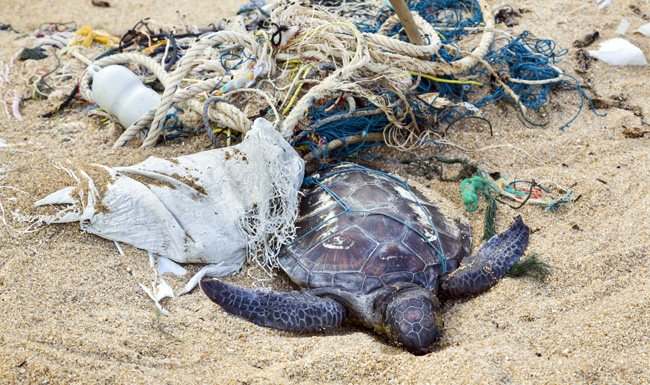
Omnivorous Turtles More Likely To Consume Marine Debris
Omnivorous green turtles seem to have a harder time than carnivorous loggerhead turtles at distinguishing artificial marine debris from food.

Ancient ‘Deep Skull’ Resembles Indigenous Borneans, Not Australians
New analysis challenges the long-held view that Deep Skull represented early modern humans closely related, or even ancestral, to Indigenous Australians.

Pac-Man Receptor Can Be ‘Switched’ On And Off
Researchers have genetically engineered glutamate receptors to activate and deactivate on demand.
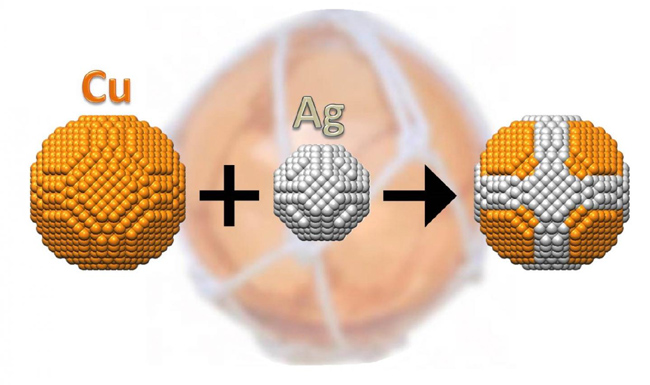
‘Caged’ Nanoparticle Mimics Japanese Fishing Float
This unique copper-silver nanoparticle structure looks like Japanese glass fishing floats that are traditionally covered with rope.

Cause Of Heart Arrhythmia In Adult Muscular Dystrophy Revealed
In myotonic dystrophy patients, RNA abnormalities in the cardiac sodium channel causes heart arrhythmia, which can lead to sudden death.

Using Microfluidics, Researchers Carry Out 10,000 Experiments At Once
A Franco-Japanese research team has developed a ‘brute force’ technique to test ten thousand biochemical reactions at once.


