


IN THE LAB

Treating Water Using The Rules Of (Magnetic) Attraction
Using magnetic fields, researchers are able to analyze the amount of metal particles in tap water during water treatment processes.

Tick Tock: How ‘Clock’ Genes Control Our Circadian Rhythm
Scientists can now simultaneously monitor in real-time the switching on and off of circadian ‘clock’ genes and their effects on mouse behavior.
Vaccine Helps Immune System ‘Remember’ Cancer Threats
When activated, a special type of modified cell called aAVC promotes the maturation of dendritic cells, the gatekeepers of immune memory.

Exposure To Industrial Printing Chemical Raises Risk Of Bile Duct Cancer
1,2-dichloropropane, a chemical used in the printing industry, turns carcinogenic when it is metabolized by the liver and excreted into bile.

Genome Instability May Be Linked To Schizophrenia
Researchers have identified significantly more DNA sequence repeats in patients with schizophrenia than in control individuals.

72 Years Of Analog Space Weather Data Goes Digital
Researchers have digitalized past analog recordings of space weather, shedding light on future patterns of plasma movement in near-Earth space.

Genome Of Industrial Microorganism Reveals High Tolerance Of Toxic Chemicals
Not only is Clostridium tyrobutyricum able to produce butyric acid, it is also has a higher tolerance to toxic 1-butanol than other bacterial strains.

Researchers Find Dozens Of Genetic Regions Linked To Migraines
Researchers have discovered that vascular dysfunction, or poor blood vessel function, is a primary mechanism underlying migraine.
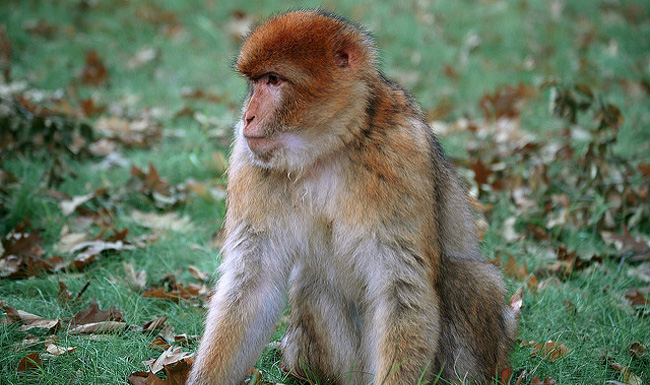
Scientists Develop Primate Model Of Zika Virus
The primate model for the Asian-lineage Zika virus could help researchers evaluate potential vaccines and therapies, especially those that are intended for use during pregnancy.


