


IN THE LAB

Staying Motivated, According To Fruit Flies
Whether flying or feasting, fruit flies are a highly motivated bunch, thanks to a protein responsible for calcium spikes in brain cells.

Hunting For Disease Markers In ‘Junk’ DNA
An international team has developed a speedy new method to analyze thousands of noncoding variants and their links to diseases like diabetes.
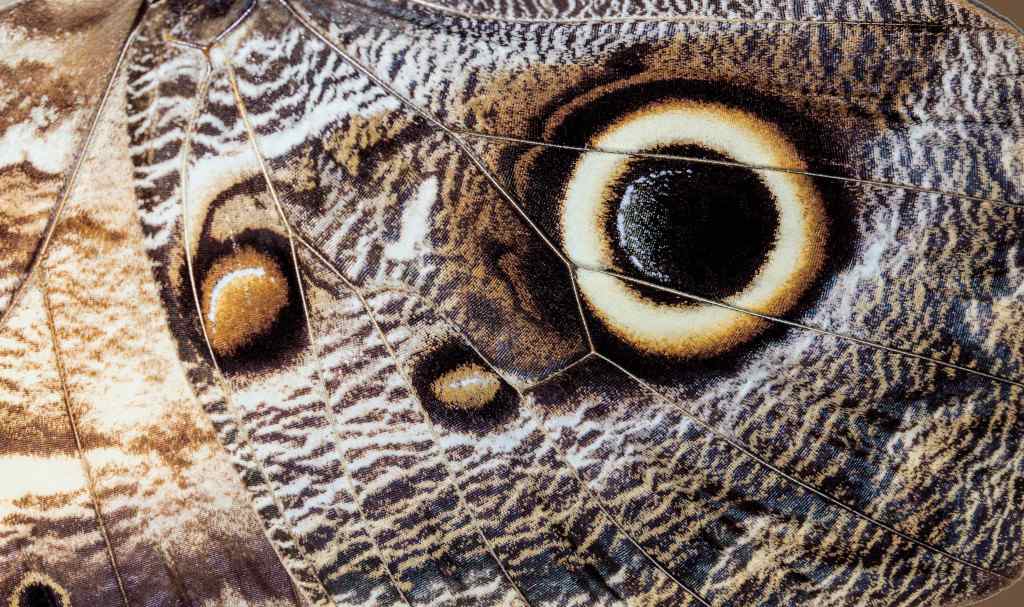
Eyes Of Demise: Butterfly Wing Patterns Attract Predators
The eyes spell doom for brush brown butterflies, as bearing more eyespots on their forewings led to more intense predatory attacks.

Disease-causing Parasites Hitch Ride On Trumpet Snails
In order to survive and breed, parasitic flatworms in Southeast Asia use several species of trumpet snail as hosts—posing a threat to public health.

Turning Tamarind Shells Into Energy Stores
No longer relegated to the trash bins, tamarind fruit shells can be converted into carbon nanosheets used in energy storage devices.
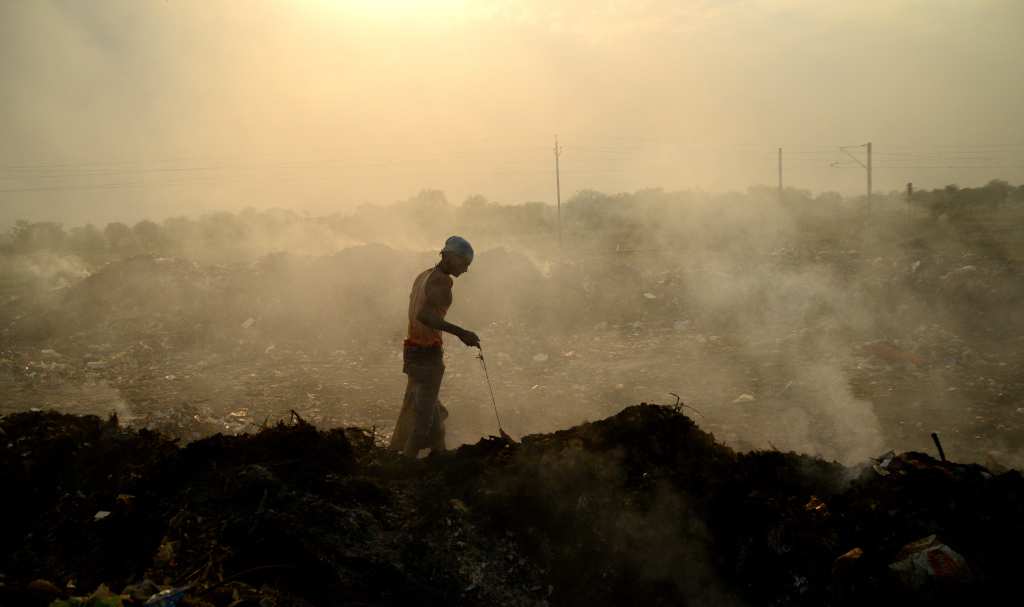
Breaking Bad Chemicals With Bacterial Detoxifiers
India's landfills are home to tiny environmental detoxifiers—bacteria that transform chemical wastes into harmless substances.
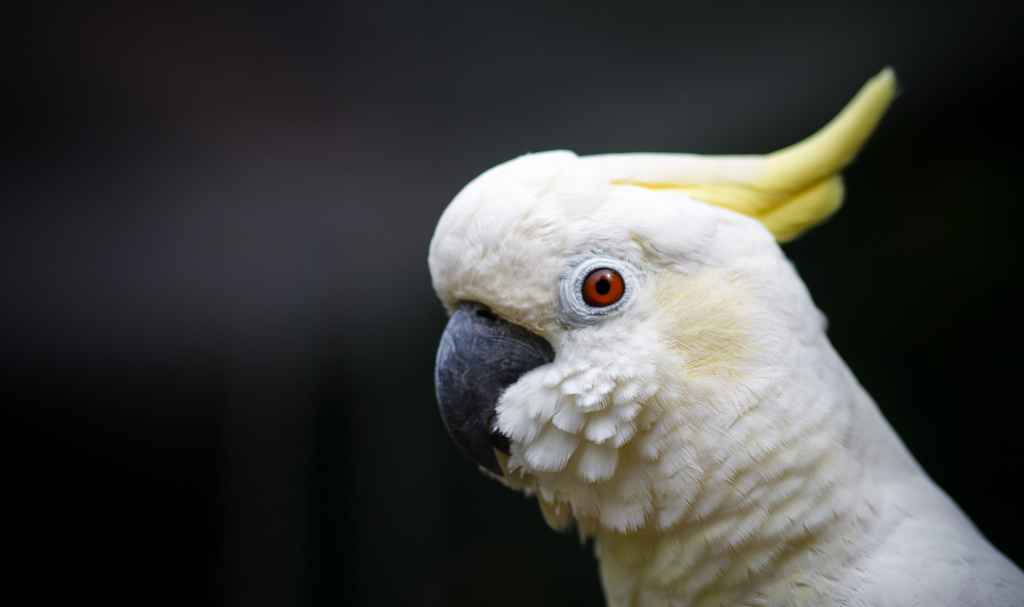
A Forensic Approach To Detecting Illegal Cockatoo Trade
Illegal wildlife traders, beware! Ecologists in Hong Kong have developed a novel forensic tool for detecting the laundering of critically endangered cockatoos.
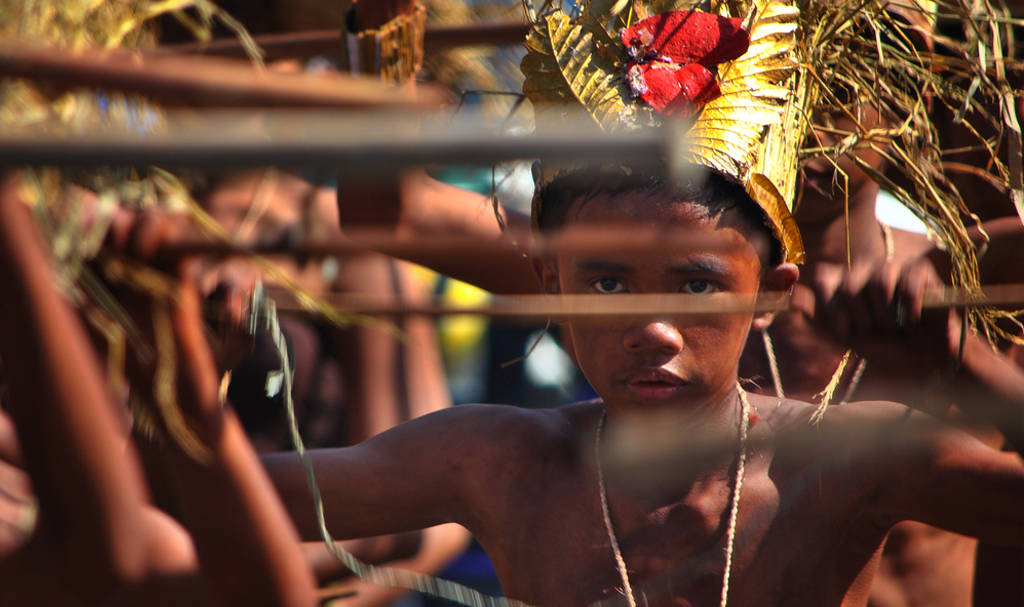
Philippines’ Indigenous Ayta Carry Most Denisovan Ancestry
The Ayta Magbukon people have the highest levels of DNA from Denisovans globally, revealed genetic evidence from 118 Philippine ethnic groups.

Special Delivery: A New Way To Transport Sperm
In a seminal development, researchers from Japan have successfully mailed freeze-dried mouse sperm via a postcard.


