


IN THE LAB

Digging Up The Genetic Origins Of Inner Asia’s Mummies
Genomic analysis of the Tarim Basin mummies has revealed their origins as a local group in China's Xinjiang region, rather than a migratory population.

Sowing The Seeds Of Language
Interdisciplinary research suggests the Transeurasian language family was started and spread by a group of early farmers in China around 9,000 years ago.
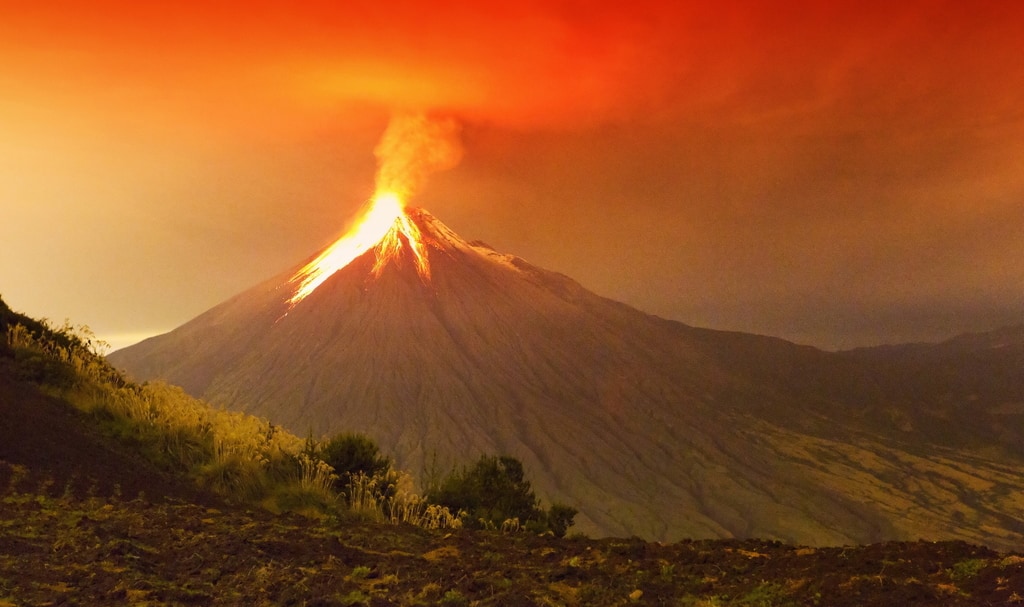
The Explosive Truth Behind China’s Dynastic Collapses
Sudden climatic shocks caused by volcanic eruptions contributed to the downfall of China's dynasties, especially when combined with pre-existing societal instability.
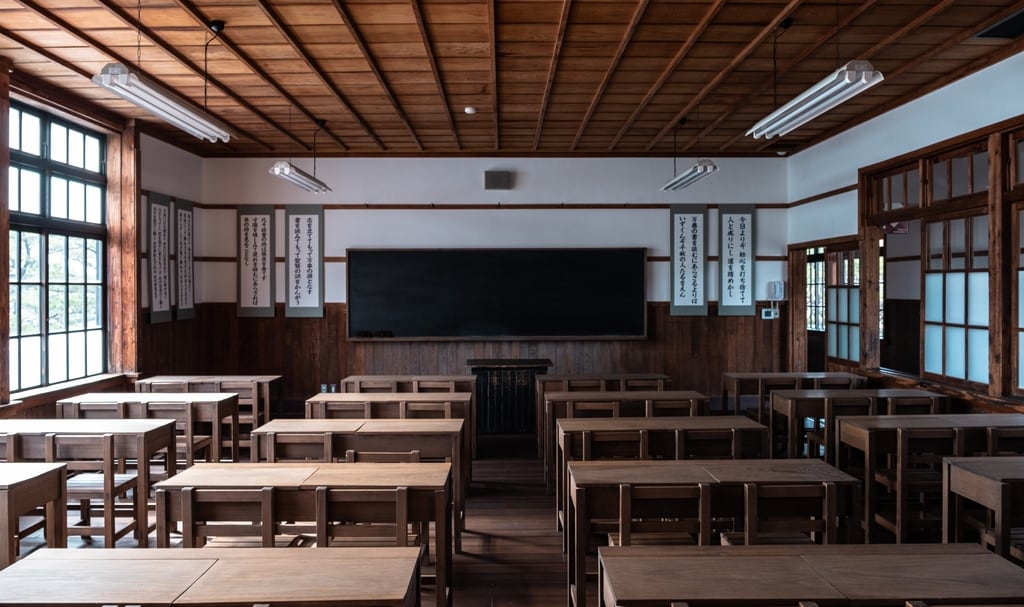
School Closures Had No Effect On COVID-19 Spread In Japan
By comparing similar Japanese municipalities with closed or open schools, researchers found that campus restrictions did not reduce COVID-19 transmission.
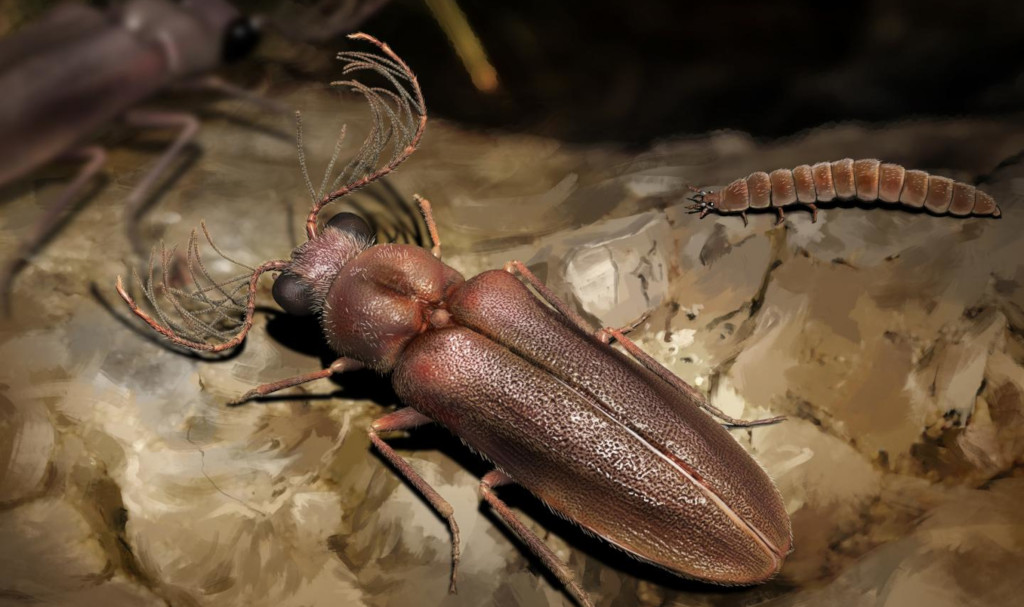
Shining Light On Why Beetles Glow
The discovery of a a 99 million year old amber fossil from Myanmar offers insight into how and why beetles began to glow.
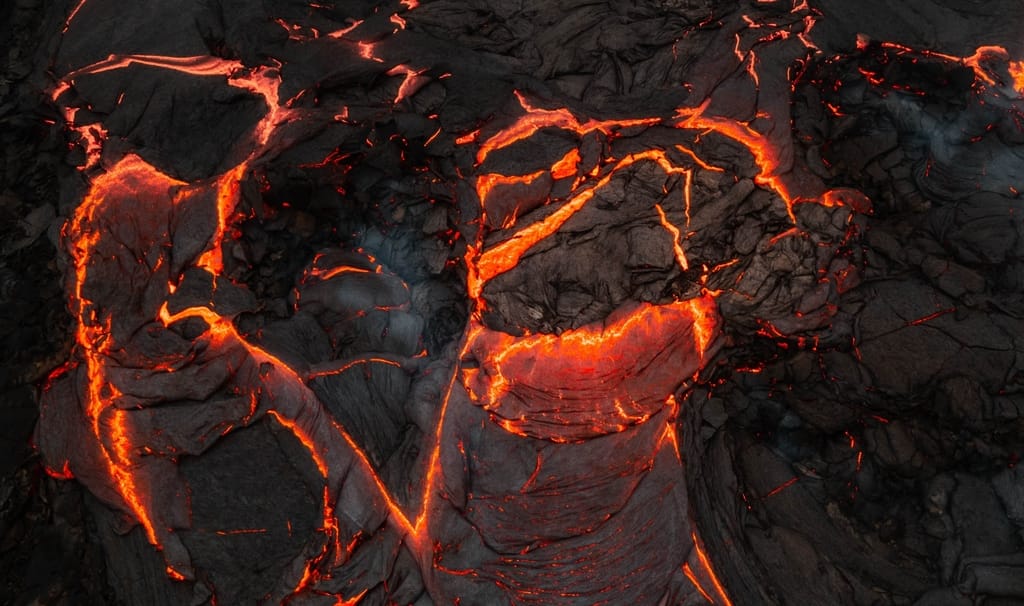
Signs of Supereruptions: The Magma Beneath Toba
By combining geologic dating with computer modeling, scientists have discovered that constant magma build-up fueled Toba’s supereruptions, the largest in Earth’s history.

A Conservation Lesson: Big Cat Worship Eases Living With Leopards
A study documents how worshipping a big cat deity shapes the way people share spaces with leopards in India, providing new insights in conservation.

The Sticky Truth Behind Cell Development
By observing fruit fly cells, scientists in Japan found a key protein for cell adhesion, allowing cells to stick together during development.

New Human Lineage Discovered In Indonesian Cave
By analyzing fossil genetics, researchers have uncovered a new human lineage, expanding the narrative of ancient Southeast Asian populations.


