


IN THE LAB
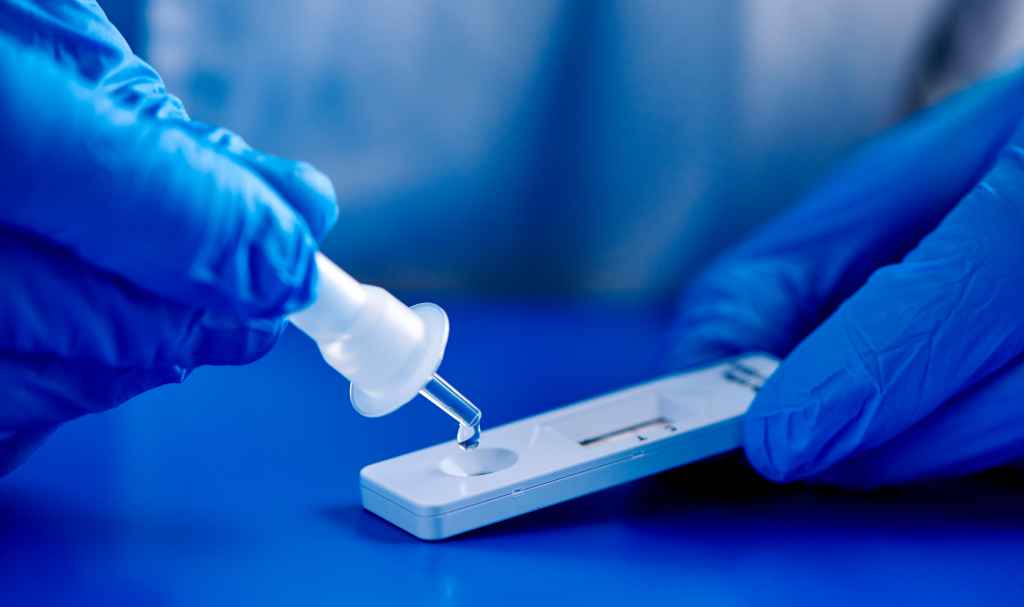
In COVID-19 Testing, Speed Trumps Sensitivity
With high enough numbers of tested individuals, the exclusive use of rapid antigen tests could achieve similar epidemiological outcomes as using only RT-PCR tests.

Decluttering The Brain By Eating Connections
Meet the stars of the brain's clean-up efforts: astrocytes that remove excessive connections which could impede learning and memory.

How Cone Snails Use Sex Pheromones To Lure Prey
By releasing molecules mimicking the pheromones of fire worms, cone snails have found a way to turn their prey's natural sex drive into a lethal weapon.

Why Macaques Minimally Interact In Palm Oil Plantations
Faced with constant threats, macaques acted more aggressively and showed reduced social bonding inside palm oil plantations, research shows.

Waste Not, Want Not: Tracking SARS-CoV-2 Variants In Wastewater
To better track SARS-CoV-2 variants, scientists have developed a quicker, cheaper method for detecting the virus in wastewater. Here's how they did it.

How Early Humans Survived The Toba Eruption
Despite the climate impacts of the Toba eruption 74,000 years ago, our early ancestors in Africa were likely shielded from the catastrophe's worst effects.

Forming New Neurons With Help From Gut Microbes
According to scientists, gut microbes that metabolize tryptophan release molecules that stimulate the production of new neurons in the adult brain.
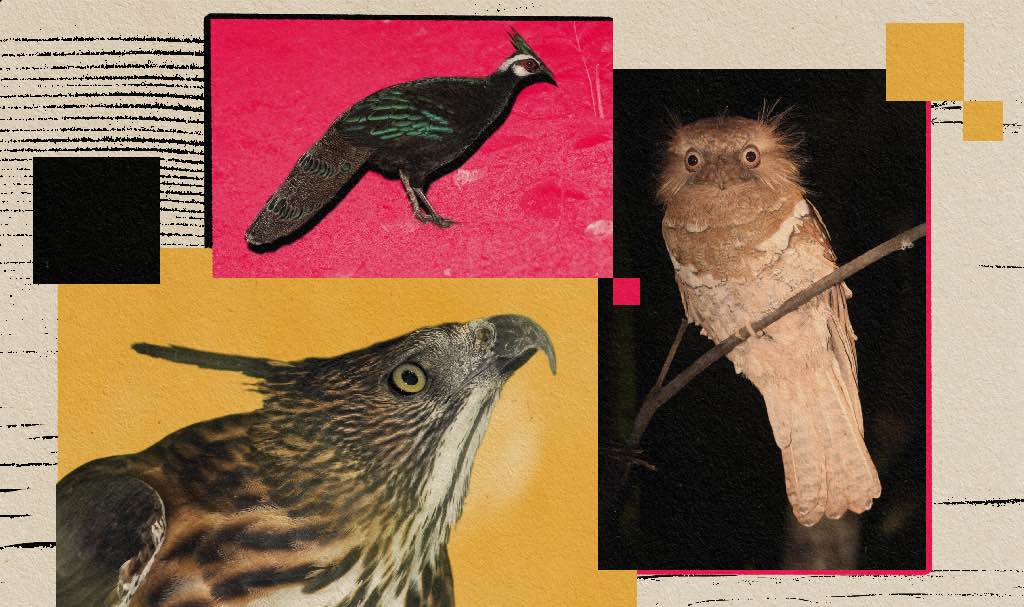
Philippine Birds On The Brink Of Extinction
Deforestation, habitat degradation and wildlife exploitation are among the factors increasing the extinction risk of Philippine birds, find scientists.

Wealth Gap Drives Global Wildlife Trade, Study Says
Wealth inequality is a key driver of global wildlife trade, with higher-income countries being the top consumers of wildlife products.


