


Lee Yee Ling

ABOUT
Yee Ling is a science writer and academic editor who writes about how research and discovery expand our understanding of the life sciences.
Stories by Lee Yee Ling
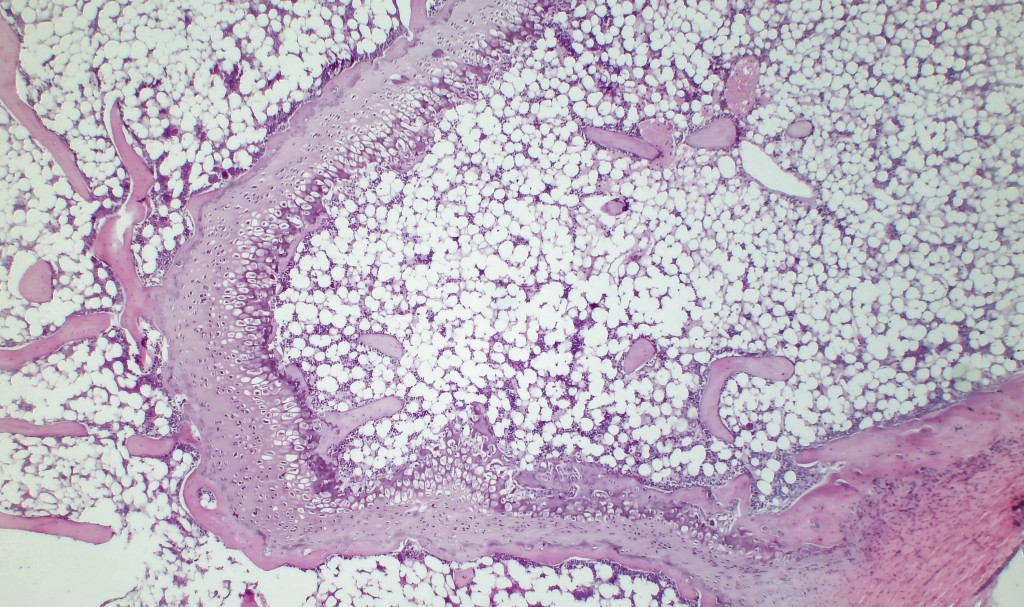
Researchers Identify The Cells That Make Space For Bone Marrow
A newly identified population of connective tissue cells helps hollow developing bones before handing off the task to marrow stromal cells that maintain the growing cavity.
Plastic-Eating Bacteria Just Got A Powerful Upgrade
NUS researchers have cracked two of the biggest obstacles in engineering microbes for industry: speed and reliability — using a bacteria-killing virus as their secret weapon.
Scientists Create Fluorescent Dye That Survives Extreme Acidic Conditions
The finding could improve medical imaging, chemical sensing, and research conducted under extreme conditions.
Researchers Uncover Hidden Oxygen Dynamics Inside Ceria Catalysts
Ceria nanoparticles switch between surface oxygen capture and internal oxygen transfer depending on size, offering a new lever for designing catalysts tailored to specific reaction conditions.
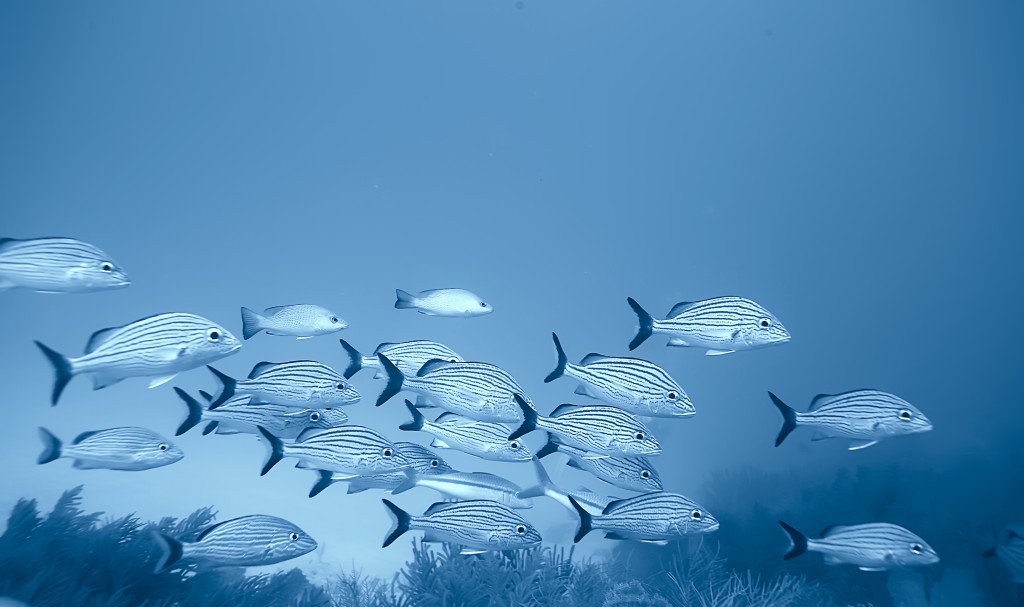
The Secret Light Compass Inside A Fish’s Brain
Zebrafish integrate light signals from the eyes and pineal organ to guide vertical movement in response to changes in light wavelength.
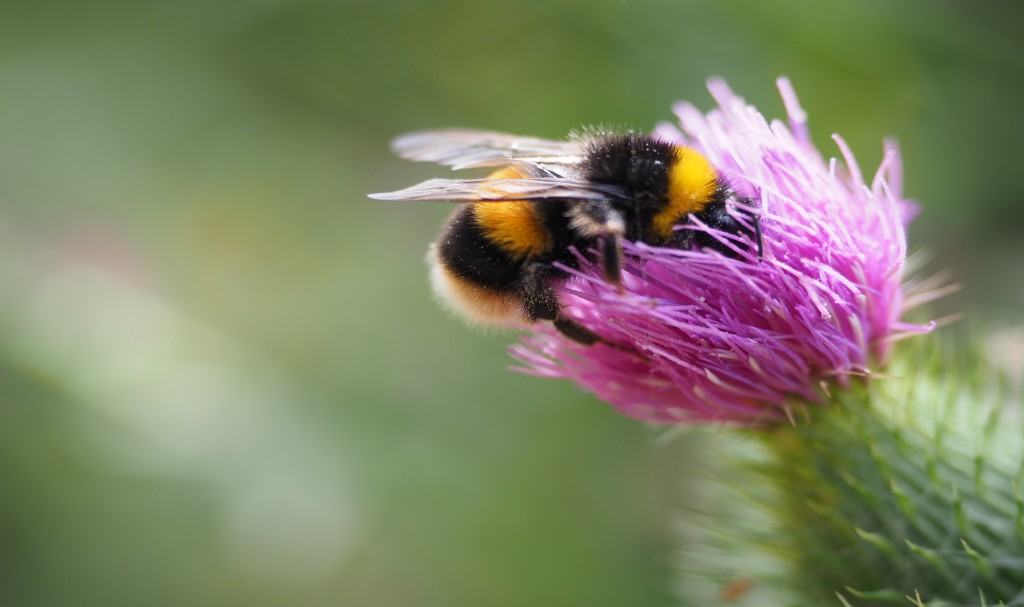
Bees Break Their Own Rules: Why Popular Flowers Beat Pretty Ones
Social information can override bumblebees’ innate colour preferences, reshaping how flowers compete for pollinators.

How The Brain Shuts Down Motivation In Difficult Situations
Scientists have uncovered a neural “brake” that stops us from acting when tasks feel unpleasant.
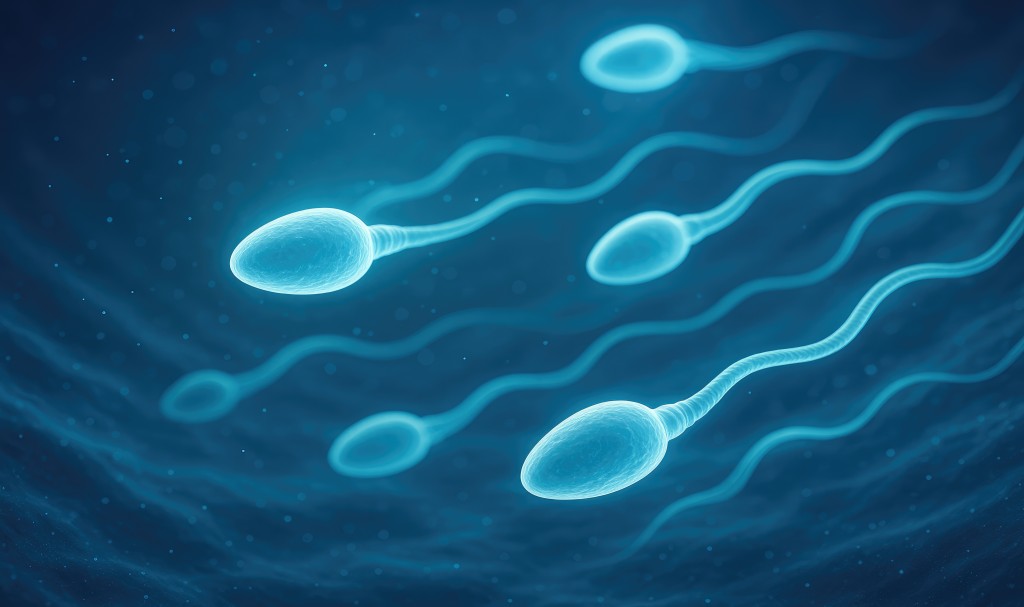
Scientists Uncover The Hidden Mechanism That Lets Sperm Swim
A protein scaffold inside centrioles stabilises the base of the sperm tail, revealing why defects in this structure can lead to male infertility.

Rewiring Sweetness: How The Brain Learns To Taste Better
Researchers reveal that taste sensitivity is a trainable skill, with potential applications in treating age-related appetite loss and taste disorders.