


Asian Scientist Newsroom

ABOUT
Asian Scientist Magazine is an award-winning science and technology magazine that highlights R&D news stories from Asia to a global audience. The magazine is published by Singapore-headquartered Wildtype Media Group.
Stories by Asian Scientist Newsroom

Do Female Hormones Contribute To Obesity?
Scientists suggest that exposure to estrogen from soy products or PVC plastics could explain the higher rates of obesity in males of developed countries.

Japanese Catfish Use pH To Locate Prey
By detecting the changes in pH as underground sea worms breathe, Japanese catfish are able to find their prey even in murky water.

All Roads Lead To The Vacuole
Understanding the intracellular transport pathways to the vacuole could lead to the development of better nutrient storage in plants.
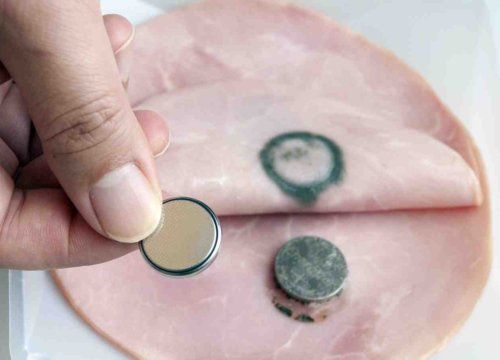
Food Coloring For Child-Safe Batteries
Highly concentrated food dye could alert parents to when children swallow batteries, helping them seek immediate medical attention.

Bees Use Hidden Patterns In Flowers
Scientists have shown that bees can use polarisation patterns to identify flowers and improve foraging efficiency, but only if the flowers face downwards.

NUS & RAPS Launch Regulatory Certification Program
The Medical Devices Regulatory Affairs (MDRA) program is intended to prepare regulatory professionals to meet the expected high demand as the industry gains momentum.

World’s Most Sensitive Thermometer Uses Light
The light-based thermometer exploits a phenomenon known as the "whispering gallery" effect to measure temperature with a precision of 30 billionths of a degree.

Probiotics Prevents Liver Cirrhosis Complications
A clinical trial in Indian cirrhosis patients show that probiotics could help prevent the deterioration of brain function, a serious complication of late stage liver disease.

Test For Prostate Cancer Using Semen
A microRNA-based test for prostate cancer could help distinguish aggressive tumors from slow growing ones and prevent unnecessary biopsies.