


Asian Scientist Newsroom

ABOUT
Asian Scientist Magazine is an award-winning science and technology magazine that highlights R&D news stories from Asia to a global audience. The magazine is published by Singapore-headquartered Wildtype Media Group.
Stories by Asian Scientist Newsroom

Pig Whipworm Genome Could Aid Autoimmune Disorders
Understanding the genes which allow the pig parasite Trichuris suis to modify the human immune response could result in better treatments for autoimmune disease.

Daily Drives Linked To Poor Health
A study has identified driving as a risk factor for poor health behaviors and outcomes such as smoking, obesity and insufficient sleep.

Blocking STAT5 To Fight Leukemia
Blocking STAT5 in conjunction with standard tyrosine kinase inhibitor drugs could be a powerful one-two punch that kills leukemic cells.

Unlocking Eucalyptus’ Potential For Oil And Paper
Understanding the Eucalyptus genome could improve the oil producing characteristics and pest resistance of the world's most widely planted hardwood.

US$35 Firewall For Security Hygiene In Developing World
Researchers have built a firewall based on the Raspberry Pi system that could enhance cybersecurity in the developing world.

Protecting Flowers From The Cold
The over-expression of the gene ACBP6 helped Arabidopsis flowers to better survive sub-zero temperatures, a method that could be extended to protect other flowering plants.

Spoilt Scaffolds Underlie Some Brain Defects
Scientists have identified the gene TUBB5 that regulates the microtubule scaffold in neurons, thereby playing an important role in healthy brain development.

The Geometry Of Genetic Coding
The specificity of the tRNA synthetase enzyme, and consequently protein translation, is due to geometric features determined by a single base pair known as the wobble base pair.
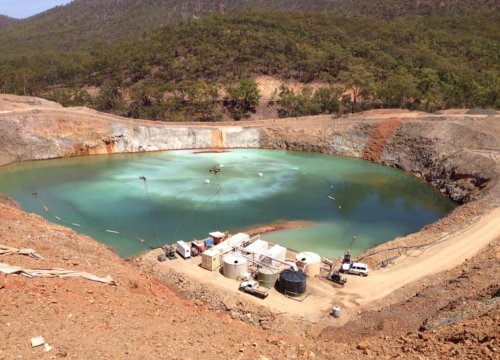
Virtual Curtain Reduces Mining Sludge
Scientists have developed a method of treating mining waste that reduces sludge production by 90 percent and facilitates the recovery of economically valuable metals.