


Asian Scientist Newsroom

ABOUT
Asian Scientist Magazine is an award-winning science and technology magazine that highlights R&D news stories from Asia to a global audience. The magazine is published by Singapore-headquartered Wildtype Media Group.
Stories by Asian Scientist Newsroom
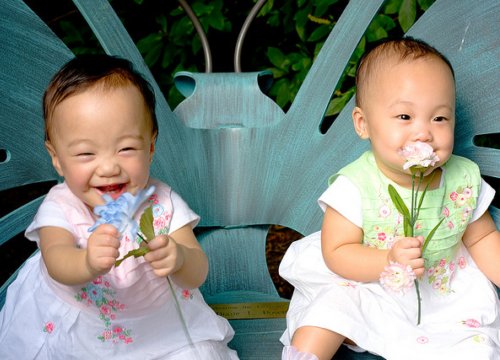
Twins Talk Less At Two
An Australian study shows that twins at age two have twice the rate of late language emergence compared to single-born children, a figure that is worse for identical twins than non-identical twins.

Heart Failure Hits Asians Earlier
A study of 8,000 heart failure patients shows that heart failure occurs at a much younger age for Asians, who develop the disease a good decade before people in Western countries.

Guideline Adherence Reduces Pneumonia In Stroke Patients
Closer adherence to treatment guidelines issued by the American Heart Association resulted in a 15 percentage point drop in pneumonia in stroke patients.

Baa Baa Black Sheep, How Did You Get Your Wool?
Eighteen years after the cloning of Dolly, scientists now have the complete genomic sequence of the domestic sheep, Ovis aries.

Sweet Success For Sorghum Sugar
A research project investigating the use of sorghum as a sugar crop has been awarded a joint grant from the University of Queensland and the Chinese Academy of Sciences.

“Extinct” Bat Rediscovered After 120 Years
A single specimen of the Big-eared Bat, last seen in 1890 and thought to be extinct, has been found in Papua New Guinea.

Solar Power Breaks Supercritical Barrier
Scientists have shown that solar power can be used to generate supercritical steam, making renewable energy more cost competitive.
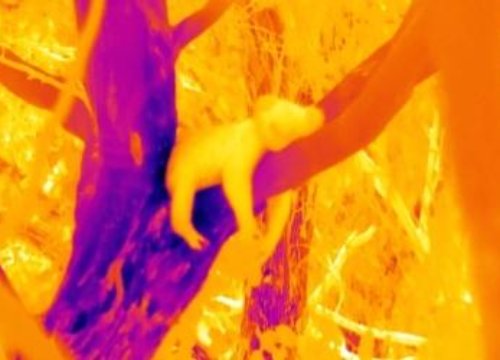
Lazy? Koalas Are Just Chilling Out
As a means of keeping cool, koala bears hug tree trunks, which can be up to 5°C cooler than the air during hot weather.

For A Healthy Heart, Women Should Exercise
Although smoking is the biggest risk factor for heart disease in women under 30, inactivity becomes the primary cause in women over 30.