


Asian Scientist Newsroom

ABOUT
Asian Scientist Magazine is an award-winning science and technology magazine that highlights R&D news stories from Asia to a global audience. The magazine is published by Singapore-headquartered Wildtype Media Group.
Stories by Asian Scientist Newsroom

Turning Plant Cells Into Factories
Rather than take on the entire plant cell, researchers have developed a peptide-based method to turn the mitochondria into a biofuel factory.
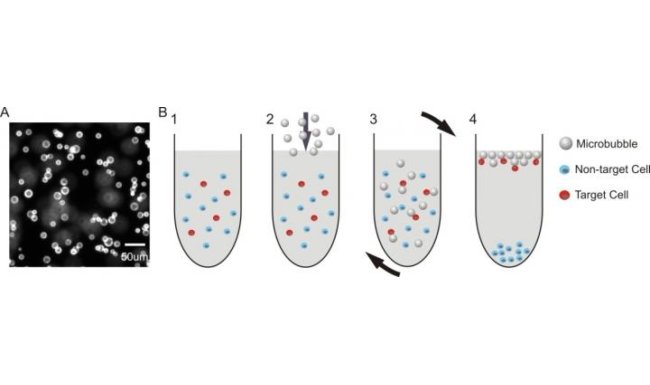
Sorting Cells With Glass Microbubbles
Glass microbeads can be used to count CD4+ T-cells in areas without access to magnetic separators or centrifuges.

Genetic Basis Of Dilated Cardiomyopathy Pinpointed
Researchers have identified the titin gene as responsible for hereditary heart enlargement, the most common reason for heart transplants.

WuXi PharmaTech Acquires NextCODE For US$65 Million
NextCODE and WuXi's Genome Center will offer comprehensive clinical, research, and diagnostic testing products and services worldwide.

Monkeys Taught To Recognize Themselves In The Mirror
The fact that monkeys can be trained to recognize themselves in the mirror suggests that they have the "hardware" that for self-recognition.

Mitochondrial DNA Sheds Light On Kangaroo Family Tree
Using DNA from extinct giant marsupials, scientists have shown that the banded hare-wallaby is closer to kangaroos than was previously thought.
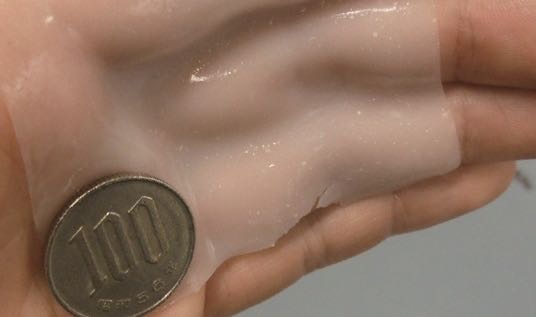
Staying In Touch, Even On The Move
A sensor sheet which conforms to the contours of the body could facilitate the development of even more accurate biometric devices.

Coverage Of The Global Young Scientists Summit 2015
Here are some of the top stories from the Global Young Scientists Summit 2015.

The Loop That Leads To Leukemia
Two proteins, PRL-3 and STAT3, cooperative to drive the development of acute myeloid leukemia, scientists say.