


Asian Scientist Newsroom

ABOUT
Asian Scientist Magazine is an award-winning science and technology magazine that highlights R&D news stories from Asia to a global audience. The magazine is published by Singapore-headquartered Wildtype Media Group.
Stories by Asian Scientist Newsroom

Clark Wins Russ Prize For Cochlear Implants
Professor Graeme Clark AC has been awarded the Russ Prize for his role in the development of a medical device that has improved the lives of the hearing impaired: the cochlear implant.

Studying Plankton With An OCTOPUS That Can Survive Typhoons
An underwater observatory has allowed scientists to study what happens to tiny sea plankton during a typhoon.
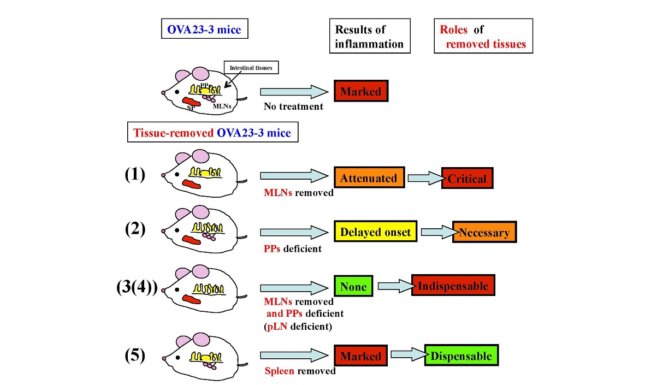
Which Tissues Drive Food Allergies?
Intestinal immune tissues, but not systemic tissue, play critical roles in establishment of the enteropathy, study says.
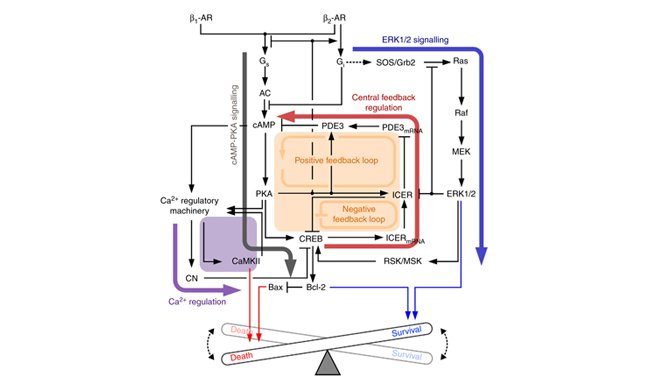
How Cells Change Their Fate
A systems biology approach has identified the key regulators of cell fate determination in heart cells.
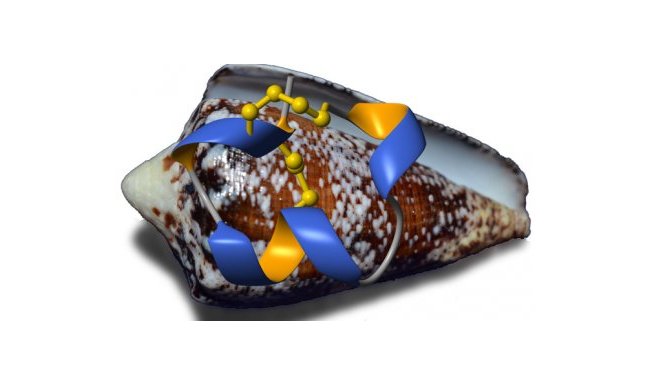
Snail Venom: A Sting In The Tail Of Cancer & Addiction
Cone snail toxins which selectively activate a specific nicotinic acetylcholine receptor could potentially treat lung cancer and nicotine addiction.

Xinjiang’s Diverse Seed Beetles
Researchers have discovered 19 different species of seed beetle in Xinjiang, China, including four that were not previously associated with the region.
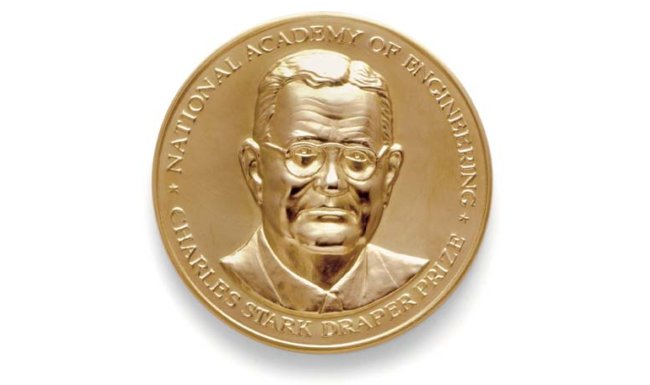
Nakamura & Akasaki Awarded 2015 Draper Prize
Five pioneering LED researchers have been awarded the Draper Prize for Engineering awarded by the American National Academy of Engineering.

Capturing CTCs With A Nanotech “Espresso Machine”
By raising and lowering the temperature, researchers have made the isolation of circulating tumor cells more efficient.

A Quantum Leap For Hard Drives
The ability to store information for as long as six hours could change the approach to developing quantum communication systems.